
PLANTAR FASCIITIS
TREATMENT
Relieve persistent heel pain with specialist plantar fasciitis care from experienced podiatrists.
PLANTAR FASCIITIS
TREATMENT
Relieve persistent heel pain with specialist plantar fasciitis care from experienced podiatrists.
If you’re experiencing ongoing heel pain, the plantar fasciitis specialists at Cheshire Foot Clinic can help.
This condition is one of the most common causes of heel discomfort, particularly among runners and active individuals, and it can significantly affect your daily comfort and fitness routine.
Plantar fasciitis is inflammation of the plantar fascia, a thick band of tissue running along the bottom of your foot that connects your heel bone to your toes.
The condition often results from excessive strain or repeated stress on the plantar fascia. These issues can cause small tears that lead to pain and stiffness.
Plantar fasciitis can develop in anyone.
Left untreated, it can interfere with your mobility and overall quality of life.

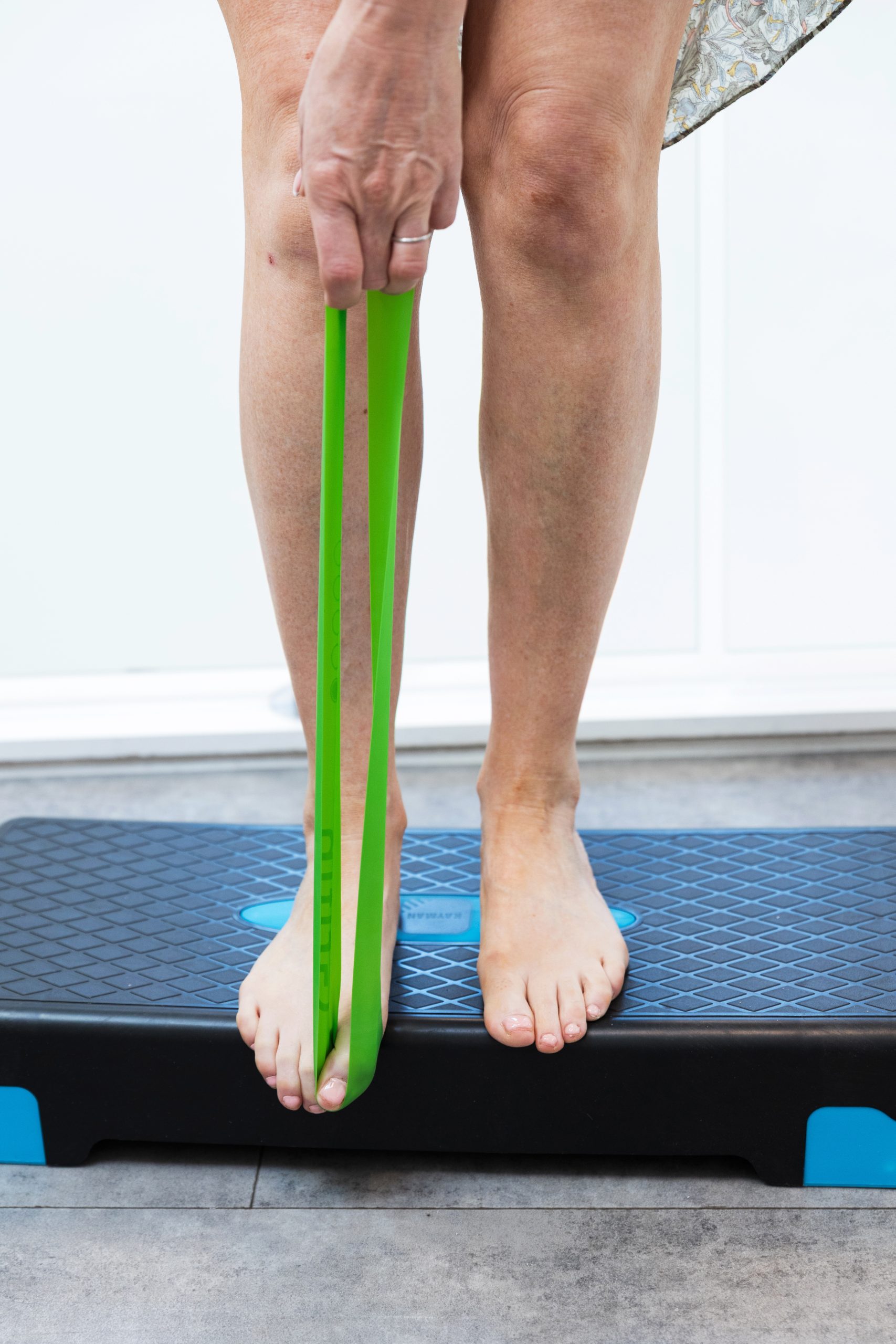
The most common symptom of plantar fasciitis is pain in the heel or foot, particularly upon awakening or after periods of inactivity.
The pain may be sharp or stabbing and often decreases as you move around. However, it may return after prolonged standing, walking, or exercise. If this seems familiar, you should seek help from the plantar fasciitis specialists at Cheshire Foot Clinic.
Other symptoms indicating plantar fasciitis include:
- Stiffness in the arch or sole of your foot
- Swelling in the heel area
- Tenderness along the bottom of your foot
- Pain that worsens after intense activity
With lifestyle changes, you can lower your risk of developing plantar fasciitis again.
Avoid recurring plantar fasciitis bouts with these preventive measures:
- Wear shoes with proper support and cushioning
- Replace old, worn-out running shoes regularly
- Incorporate calf and foot stretches into your routine
- Gradually increase the intensity of your workouts to avoid overuse injuries
- Maintain a healthy weight to reduce stress on your feet.

Among those that may contribute to the condition’s development are:
REPETITIVE
MOVEMENTS
FOOTWEAR
MUSCLES
WEIGHT
There are over 30 causes of heel pain, not just plantar fasciitis! Cheshire Foot Clinic’s thorough diagnostic process ensures we can get to the root of your heel pain and develop a tailored plantar fasciitis treatment plan to address your needs.
Our specialists will:
- Review your medical history to identify possible risk factors or underlying conditions
- Conduct a physical exam to evaluate pain areas and check for tenderness, swelling, or stiffness in your foot
- Use imaging tests like X-rays or ultrasounds if necessary to rule out other heel pain causes, such as bone spurs or fractures
