
The treatment is painless and non-invasive, offering a drug-free alternative to anti-inflammatories, painkillers and steroid injections. It can help treat a wide range of problems, including tendonitis, plantar fasciitis, wounds, bursitis, muscle tears and injuries.
Laser therapy can be used for both chronic (long-term) and acute (recent) conditions.
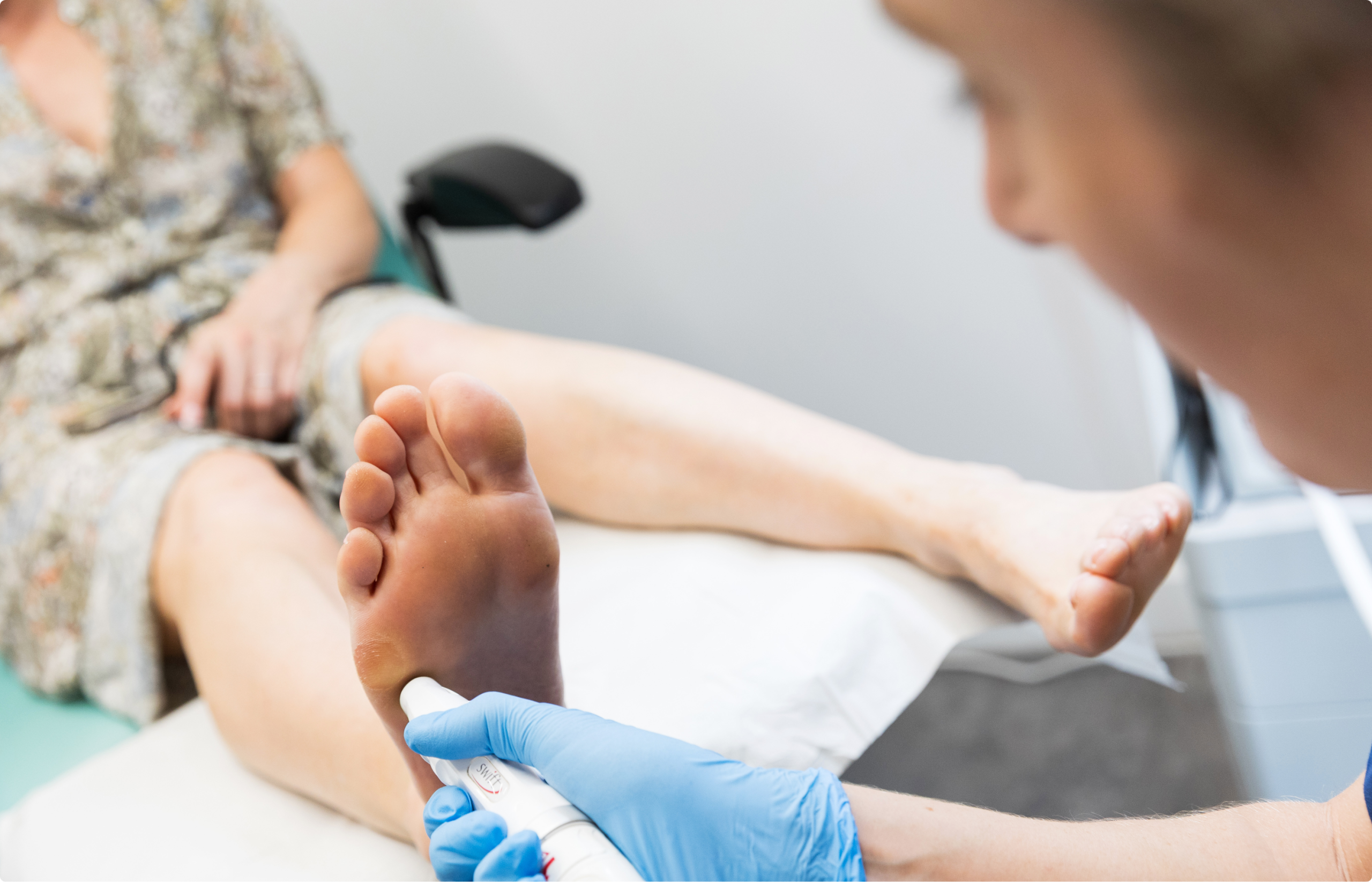
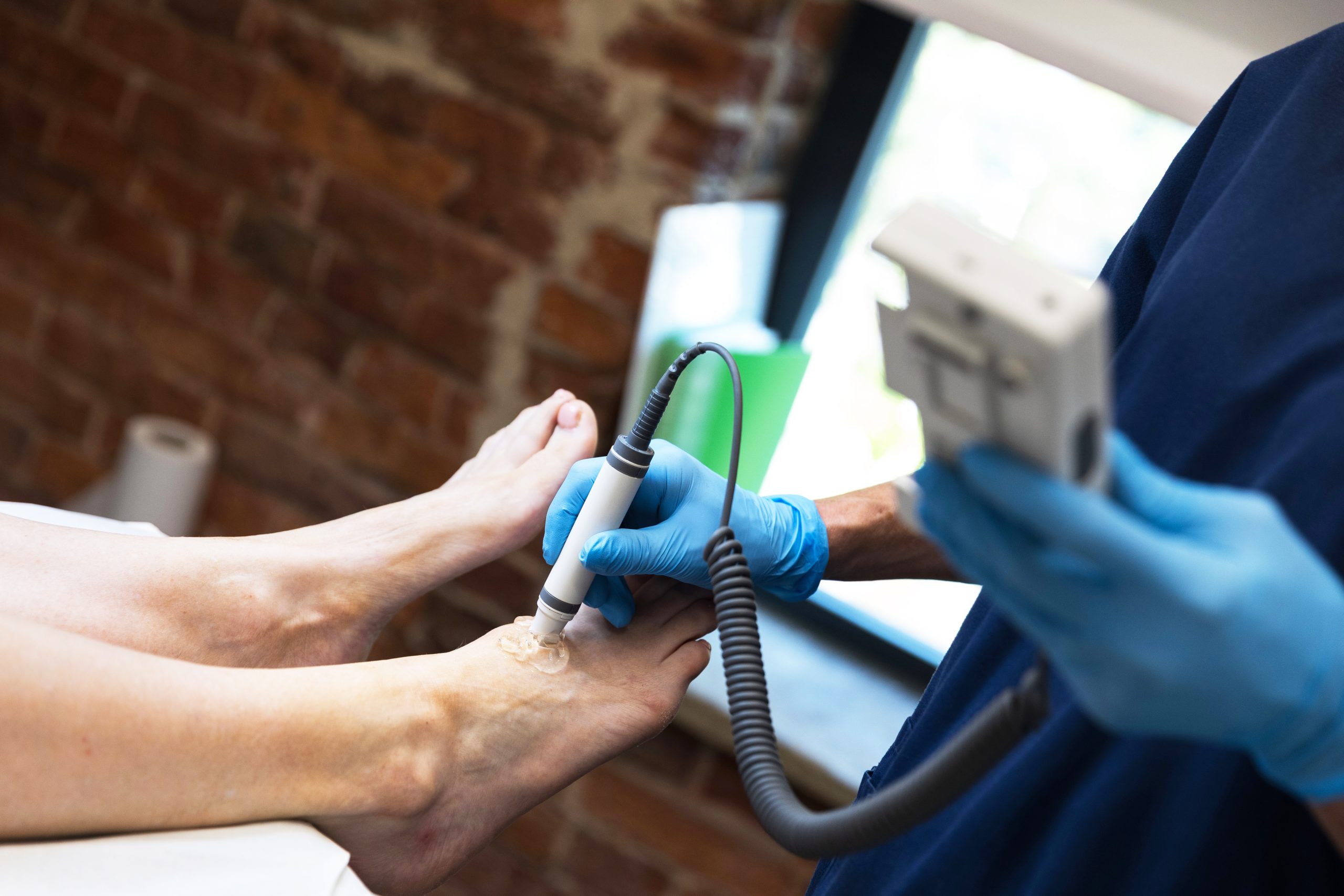
Laser therapy involves directing light energy into inflamed or damaged tissue to accelerate the body’s natural healing process. The laser uses specific wavelengths of light to penetrate the tissue and interact with molecules within the cells to cause several biochemical effects.
One of the most important effects of laser therapy is encouraging blood flow into the treated area. This means the cells there have a better supply of oxygen and nutrients and that waste products and swelling can be flushed out.
If you’re interested in how laser treatment could help you, please get in touch for more information.
We often use laser therapy as part of your treatment plan if you have muscle, tendon, ligament or even bone damage. This highly effective treatment could get you pain-free and back to doing the activities you enjoy as quickly as possible.
Class IV Laser Therapy is a safe, non-invasive and painless treatment for managing acute or chronic pain and inflammation, including arthritis and injuries.
The laser delivers light energy directly to the cells, encouraging the body’s natural healing process while helping to reduce pain.
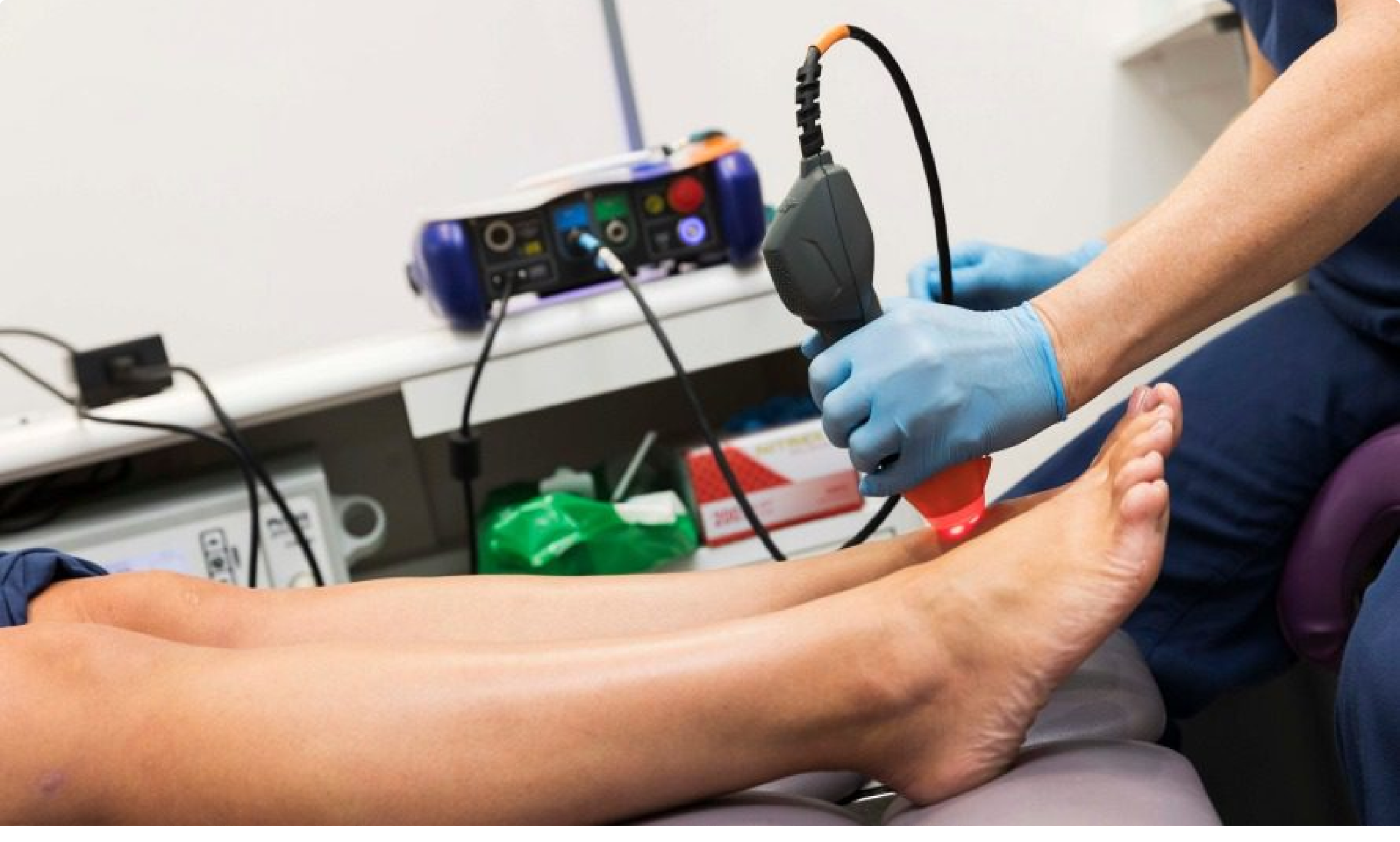
What conditions can Laser Therapy help with?
Our laser therapy is perfect for treating both chronic and acute conditions, including:
Tendonitis
Plantar fasciitis
Muscle tears
Bursitis
Ligament injuries
And more!
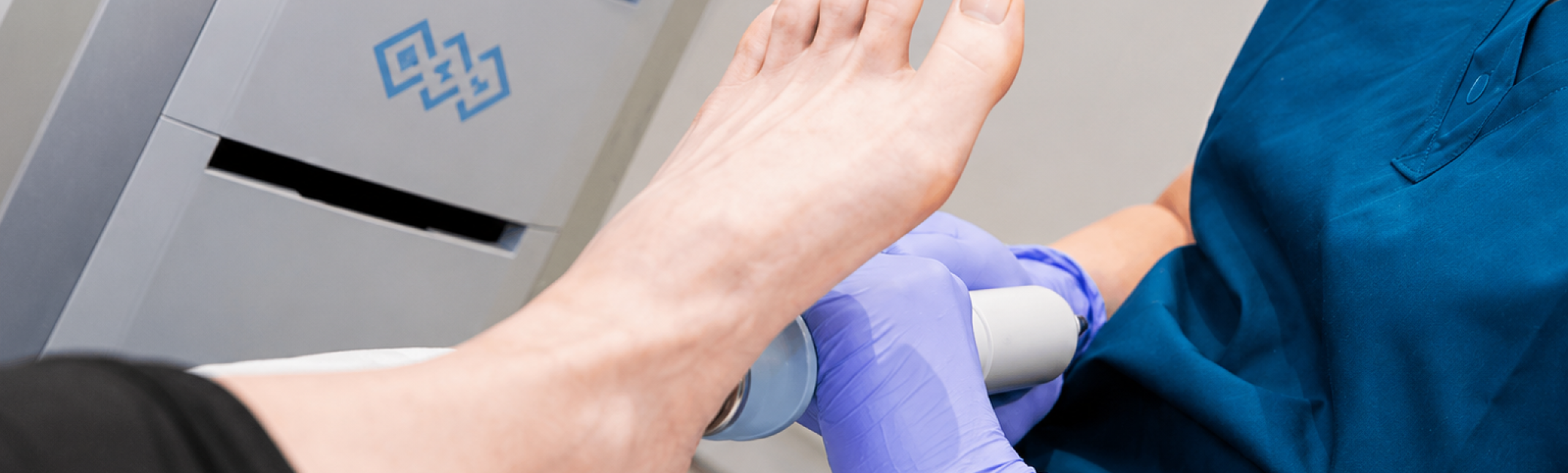





At Cheshire Foot Clinic, we use Class IV medical-grade lasers to deliver outstanding results safely. Our two state-of-the-art systems, the MLS Laser and the Remy Laser, target pain and inflammation by delivering specific wavelengths of light directly to the tissue.
The MLS laser delivers two wavelengths, 808nm and 905nm, in a synchronised manner. Because the stronger 905nm wavelength is pulsed, it can deliver therapeutic effects while helping to keep treatment comfortable.
During treatment, the laser is applied over the affected area in a controlled way. Most patients find the session comfortable, with no needles, no cutting and no downtime required afterwards.
Your podiatrist will explain the treatment plan, how many sessions may be recommended, and what changes you should monitor between appointments.
Laser therapy is generally well tolerated. Some patients may notice temporary warmth, mild sensitivity or a short-term change in symptoms after treatment.
Before starting, your podiatrist will check your medical history and explain whether laser therapy is suitable for your condition.
Some patients notice improvement quickly, while others require a course of treatments before symptoms begin to settle. This depends on the condition being treated, how long it has been present and your individual response.
Your podiatrist will review your progress and adjust the plan where needed.
Cheshire Foot Clinic uses advanced laser systems as part of a wider podiatry assessment and treatment plan. This means your symptoms are not treated in isolation.
Your podiatrist will assess the underlying cause of your pain, explain your options clearly and recommend the most appropriate care for your needs.
