IN FOOT AND LEG CARE
Expert podiatrists delivering trusted diagnosis and treatment for foot and ankle conditions.
IN FOOT AND LEG CARE
Expert podiatrists delivering trusted diagnosis and treatment for foot and ankle conditions.
Our patients say we are friendly, knowledgeable and professional.
ASSESSMENT
ASSESSMENT
ASSESSMENT
ASSESSMENT
ASSESSMENT
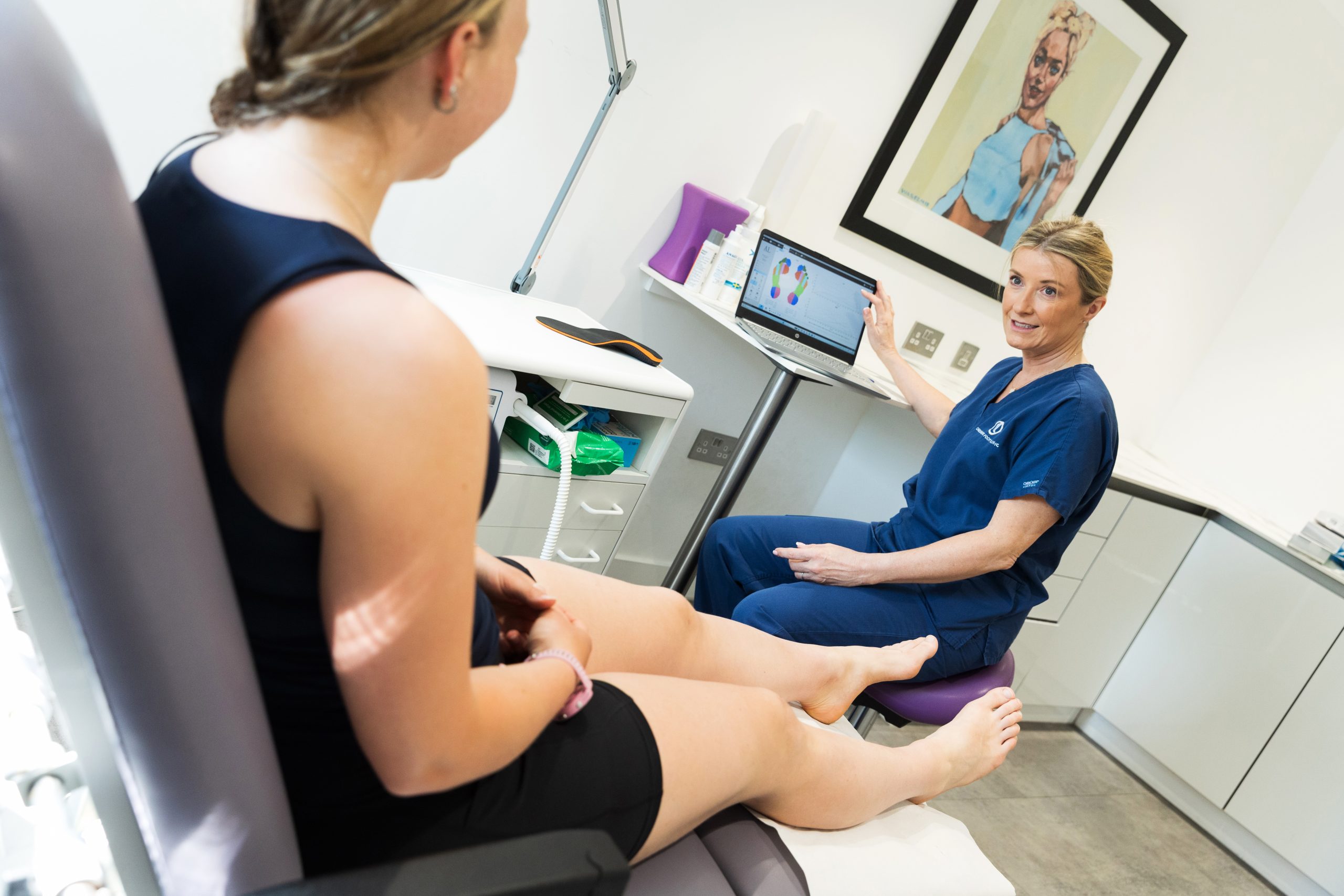
There are over 30 causes of heel pain, not just plantar fasciitis! Cheshire Foot Clinic’s thorough diagnostic process ensures we can get to the root of your heel pain and develop a tailored plantar fasciitis treatment plan to address your needs.
Our specialists will:
• Review your medical history to identify possible risk factors or underlying conditions
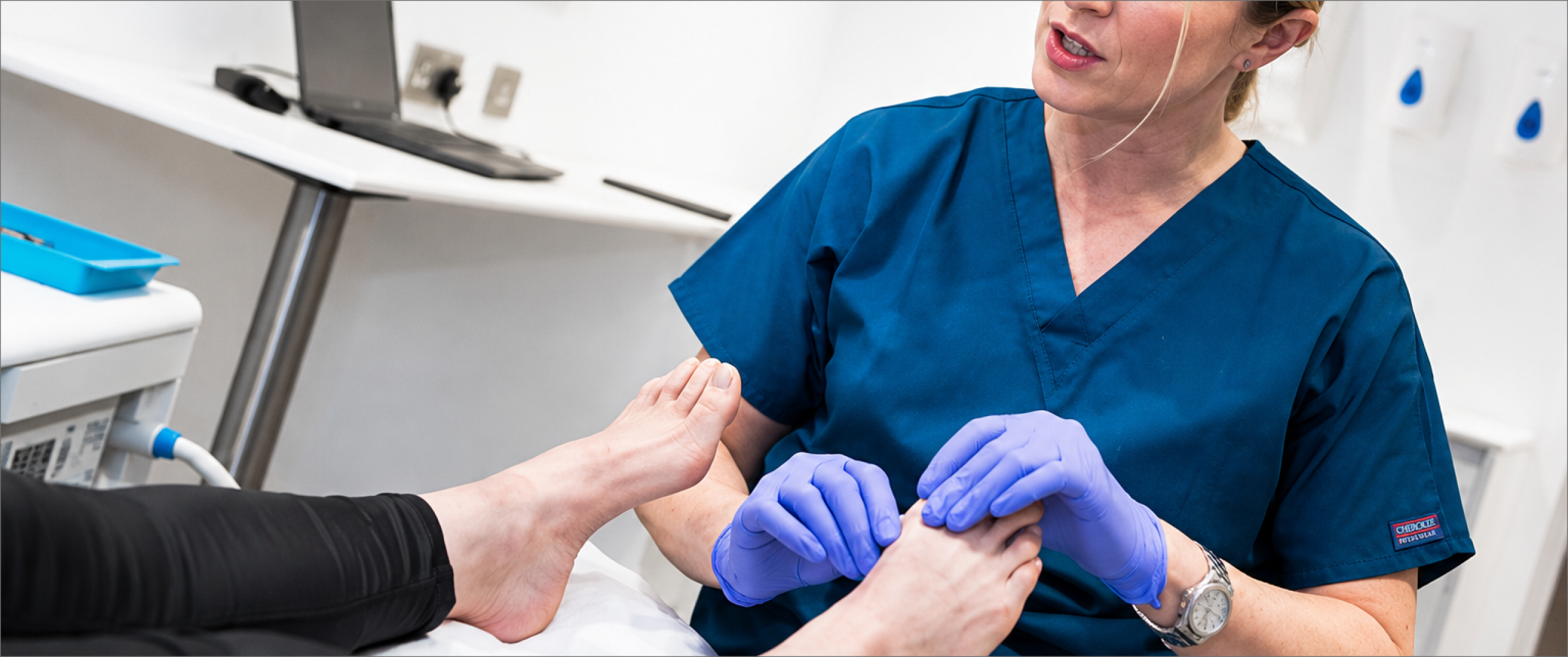
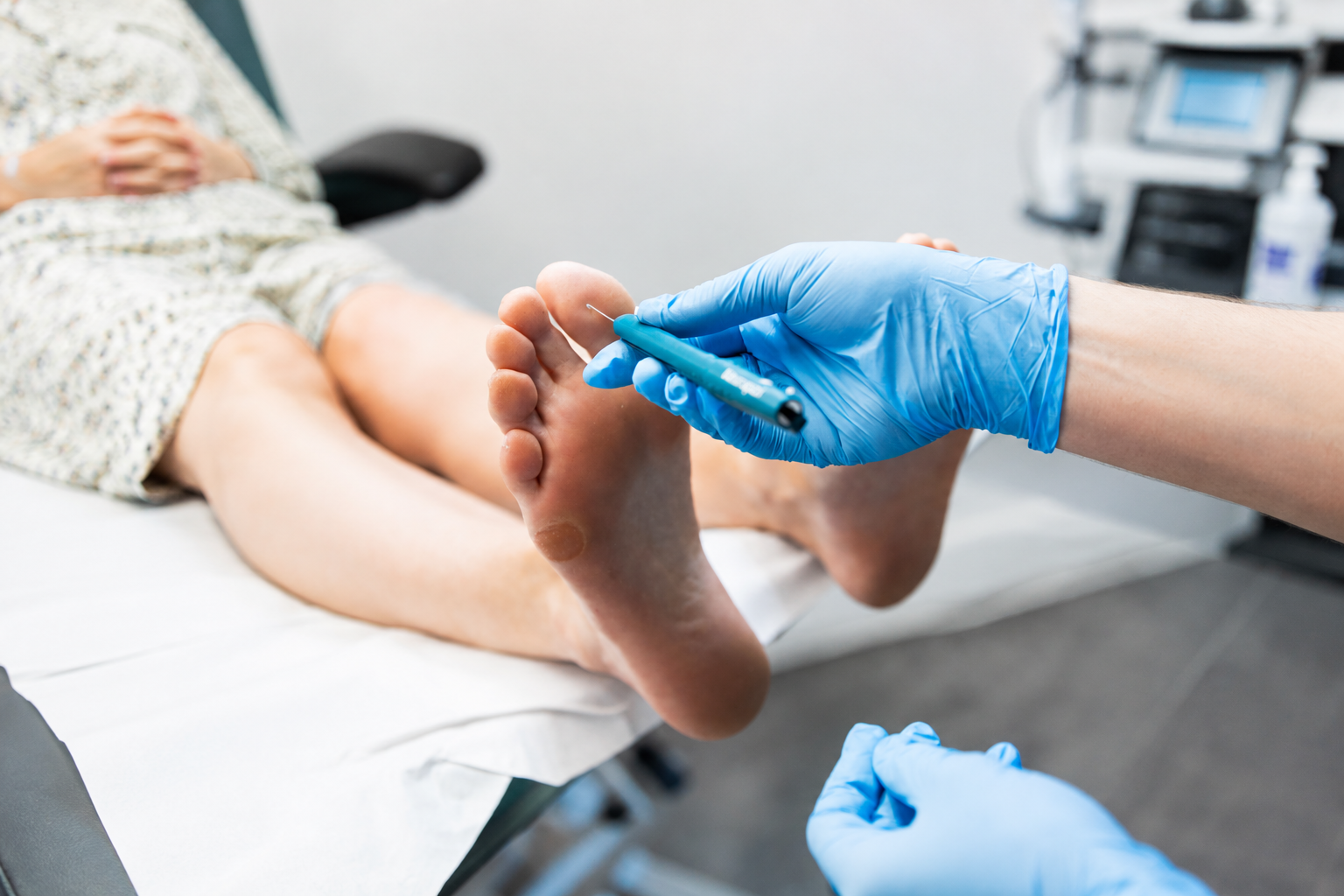
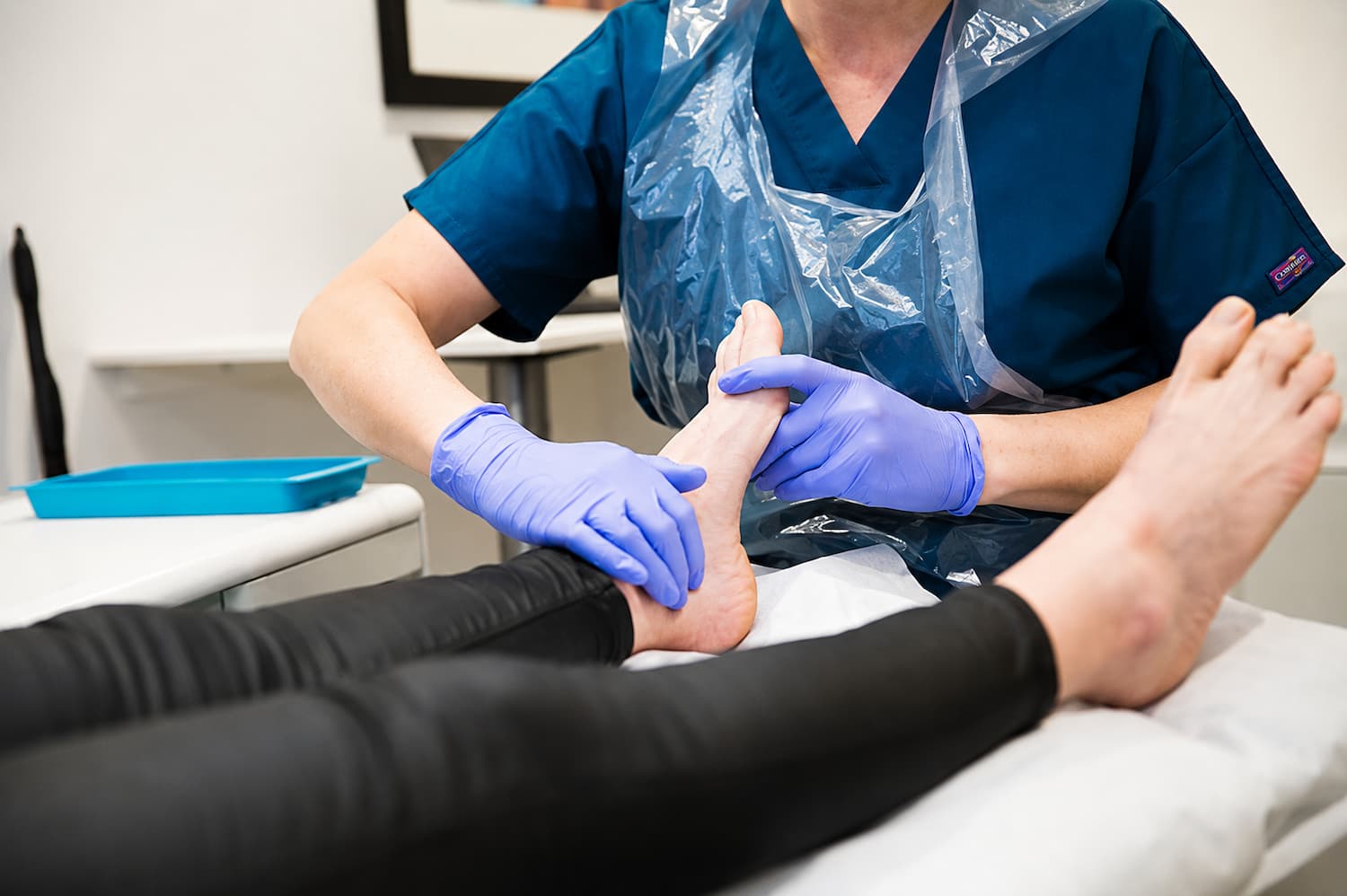
• Conduct a physical exam to evaluate pain areas and check for tenderness, swelling, or stiffness in your foot
Tuesday 9:00 am - 6:00 pm
Wednesday 9:00 am - 6:00 pm
Thursday 9:00 am - 5:00 pm
Friday 9:00 am - 4:00 pm
Saturday-Sunday Closed
21A Tatton Street, Knutsford, WA16 6AE
Stay up to date with the latest podiatry advice, foot health tips, and clinic news.
From expert guidance on common foot conditions to practical tips for keeping you comfortable and active, explore our latest blogs and discover helpful insights from our team.
THE IMPORTANCE
OF REGULAR
ROUTINE PODIATRY
helping patients achieve lasting comfort and mobility.
While addressing issues early is important, regular routine podiatry appointments, and attending your follow-up visits, play a vital role in maintaining your overall health, not just your feet.
Your feet go through a lot every day. Over time, pressure, footwear, activity levels and medical conditions can all take their toll. Regular podiatry appointments allow problems such as corns, callus build-up, nail issues and skin conditions to be managed safely before they worsen or become painful.
More importantly, routine visits help prevent minor issues from turning into infections, ulcers or long-term mobility problems, especially for people who are older, have diabetes or reduced circulation.
After your initial consultation, you may recommend a follow-up appointment.
This is an essential part of your care plan.
Monitor how well a treatment or intervention is working
Adjust care plans based on changes or progress
Catch any new issues early
Ensure long-term conditions are being safely managed
TO LEARN THAT PODIATRISTS
CARRY OUT IMPORTANT
HEALTH CHECKS AS PART
OF ROUTINE APPOINTMENTS
Circulation assessment
Sensation and nerve testing
Skin integrity and wound checks
Joint movement and gait assessment
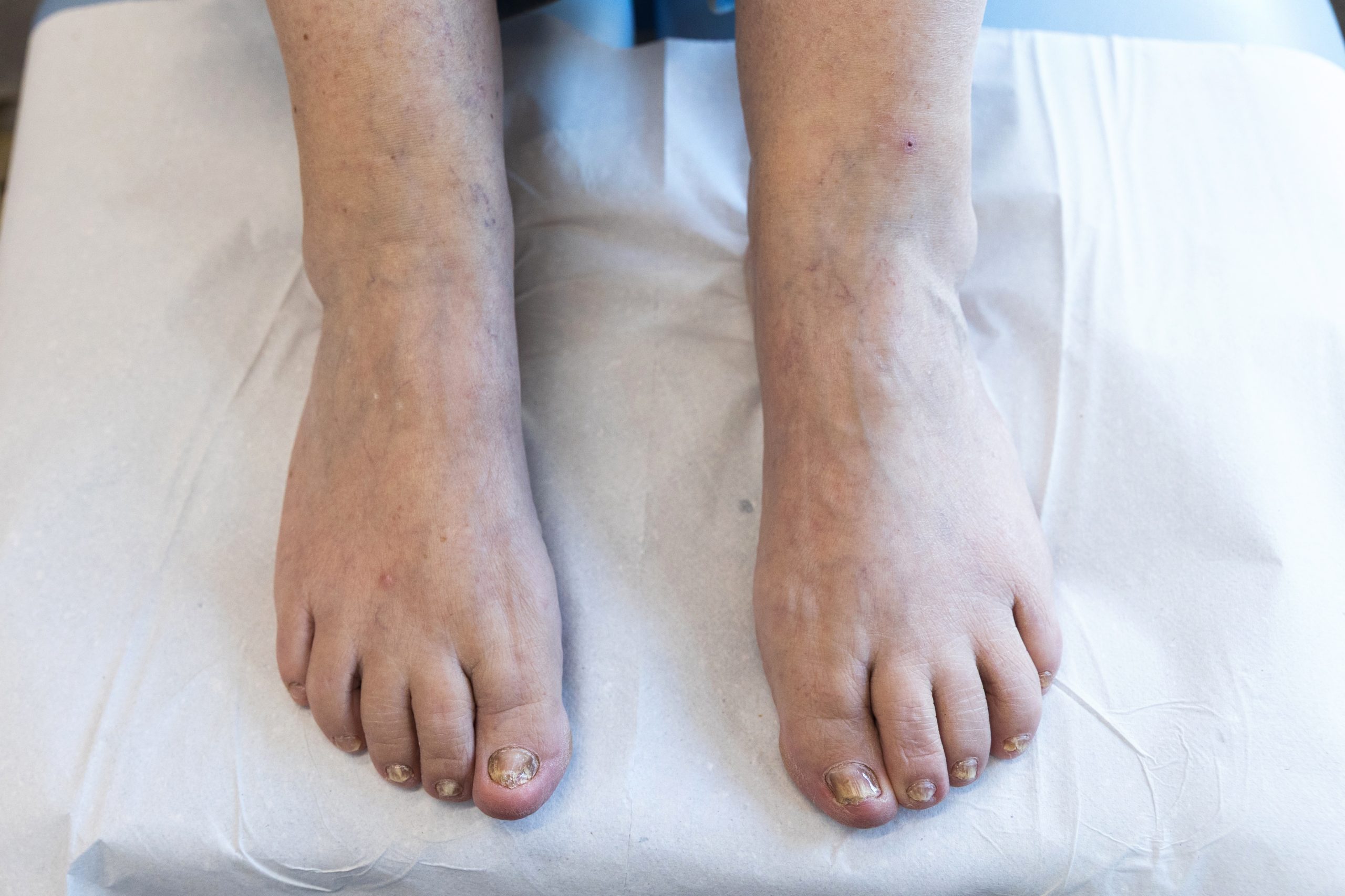
Nail and infection screening
As Podiatrists, we are trained to recognise signs of underlying medical problems, we are often one of the first professionals to notice changes that may need further investigation.
If required, we can:
Advise you to see your GP
Write referral letters to other healthcare professionals
Work alongside services within the NHS or private healthcare networks
This holistic approach ensures you receive the right care at the right time, without delays.
Regular podiatry appointments aren’t just about comfort, they’re about protecting your mobility, independence and overall wellbeing. Attending routine visits and recommended follow-up allows your podiatrist to provide proactive, personalised care that supports your health long-term.
If you’ve had an initial consultation, make sure you keep up with your follow-up appointments.
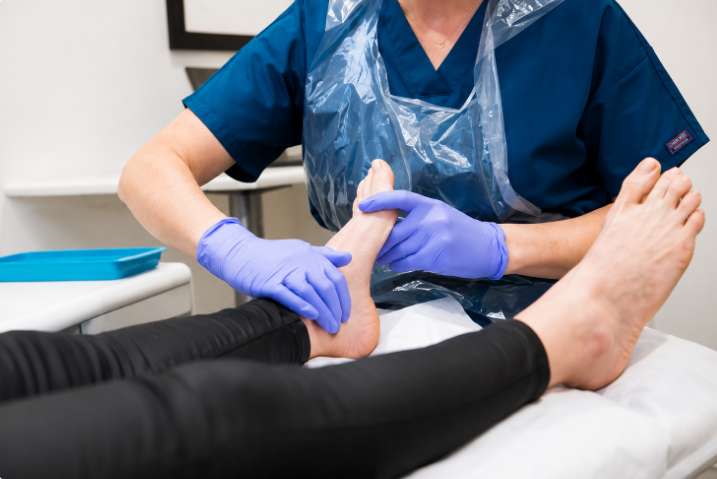
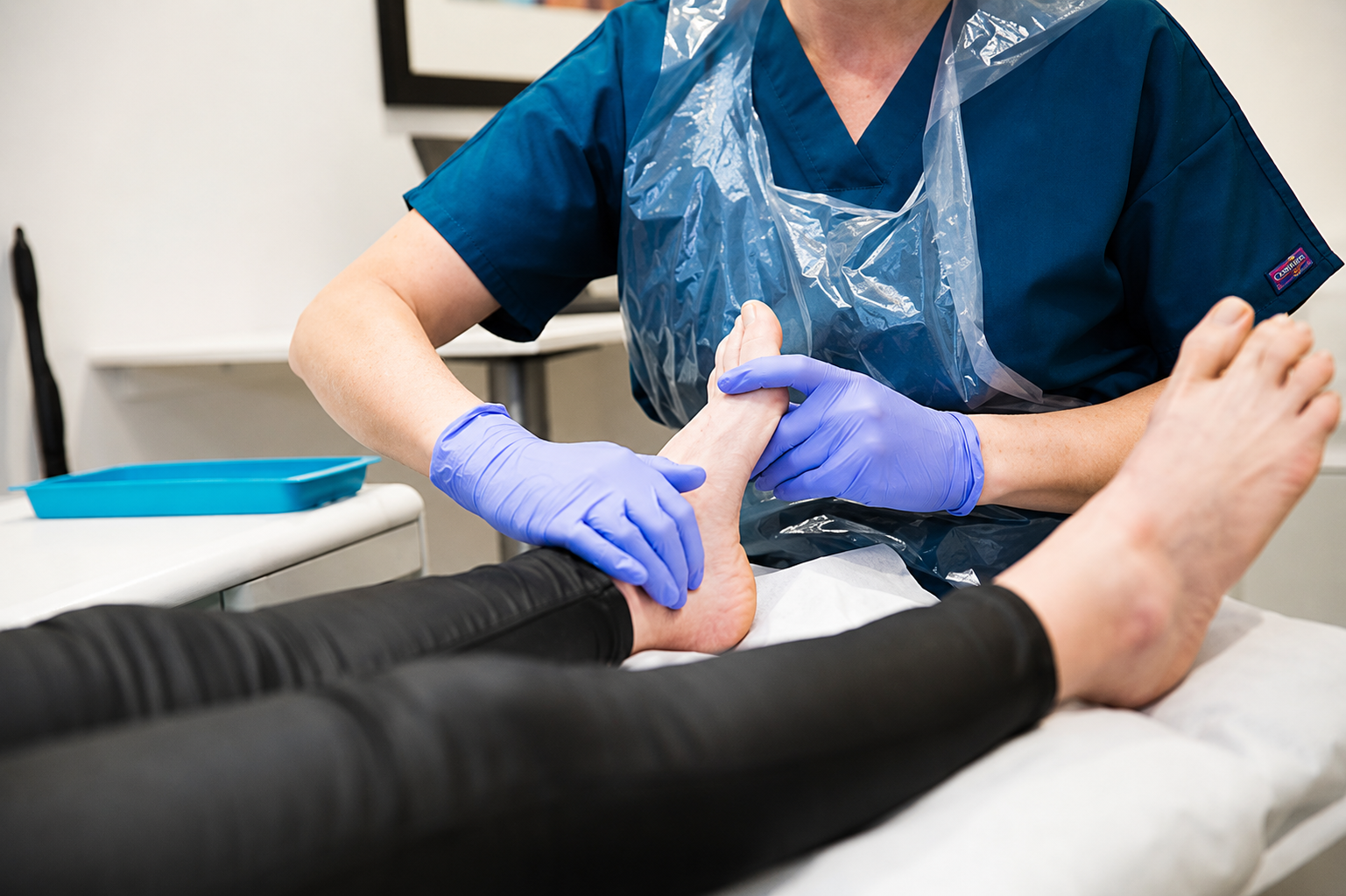
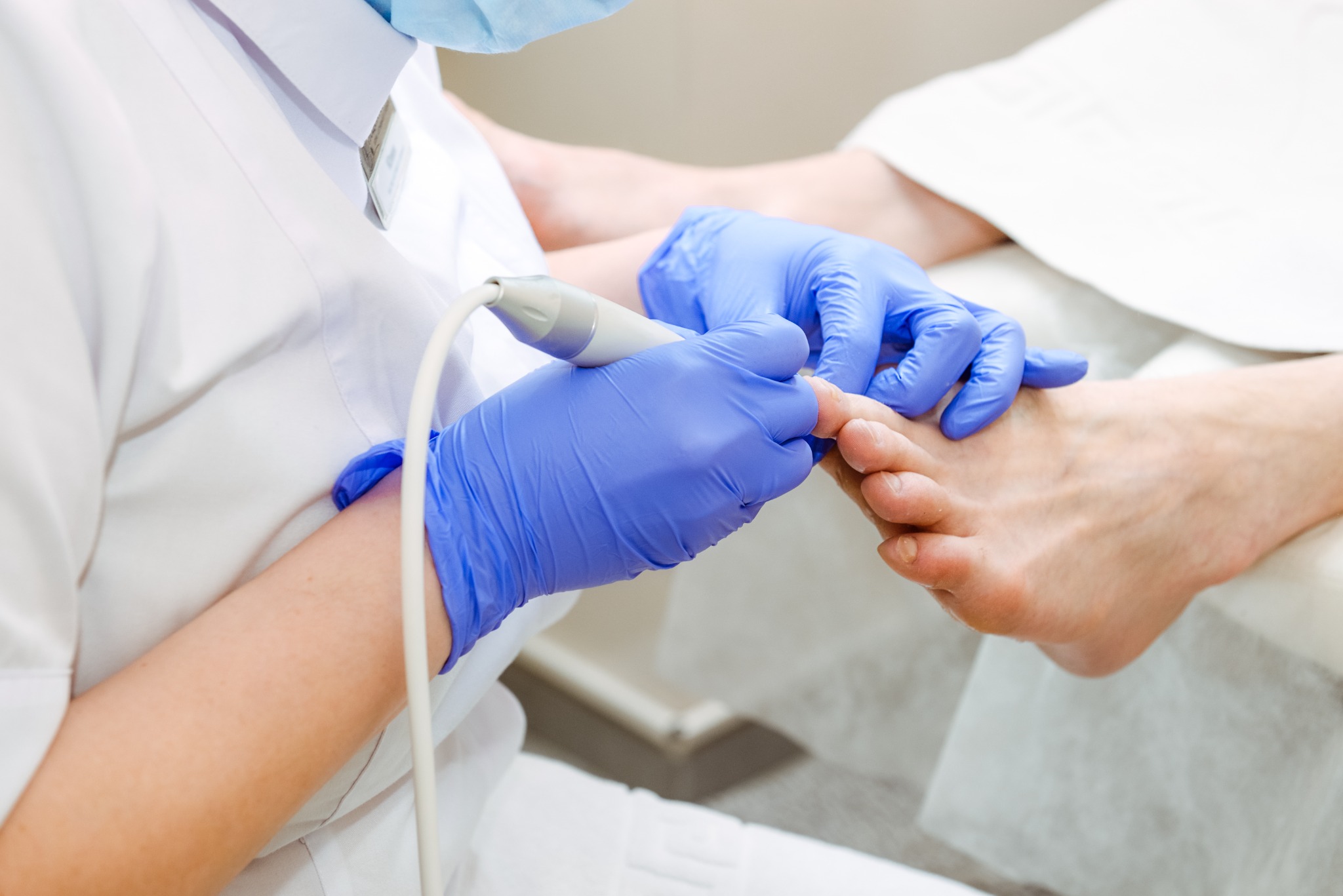
Our Podiatrist will check foot and leg pulses, use Doppler to listen for any abnormalities and view waveforms.
This evaluation is crucial in determining if there’s any loss of sensation and assessing the individual’s ability to protect their feet from potential damage.
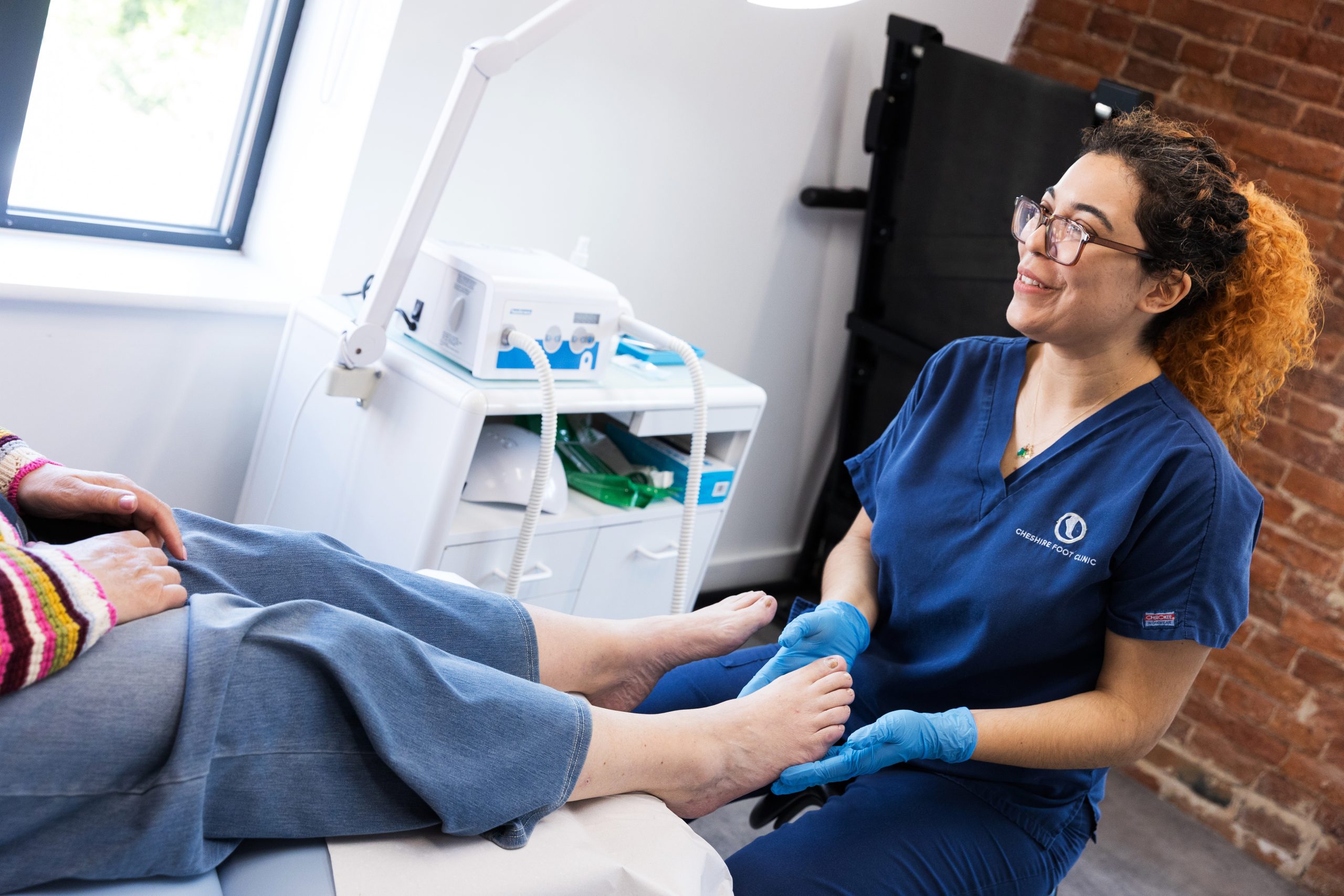
Upon arrival, check in with our receptionist and take a seat in our welcoming waiting area. Your podiatrist will personally meet you and escort you to the treatment room.
We’ll also discuss your personal goals for treatment - whether it’s reducing pain, improving mobility, or something else entirely.
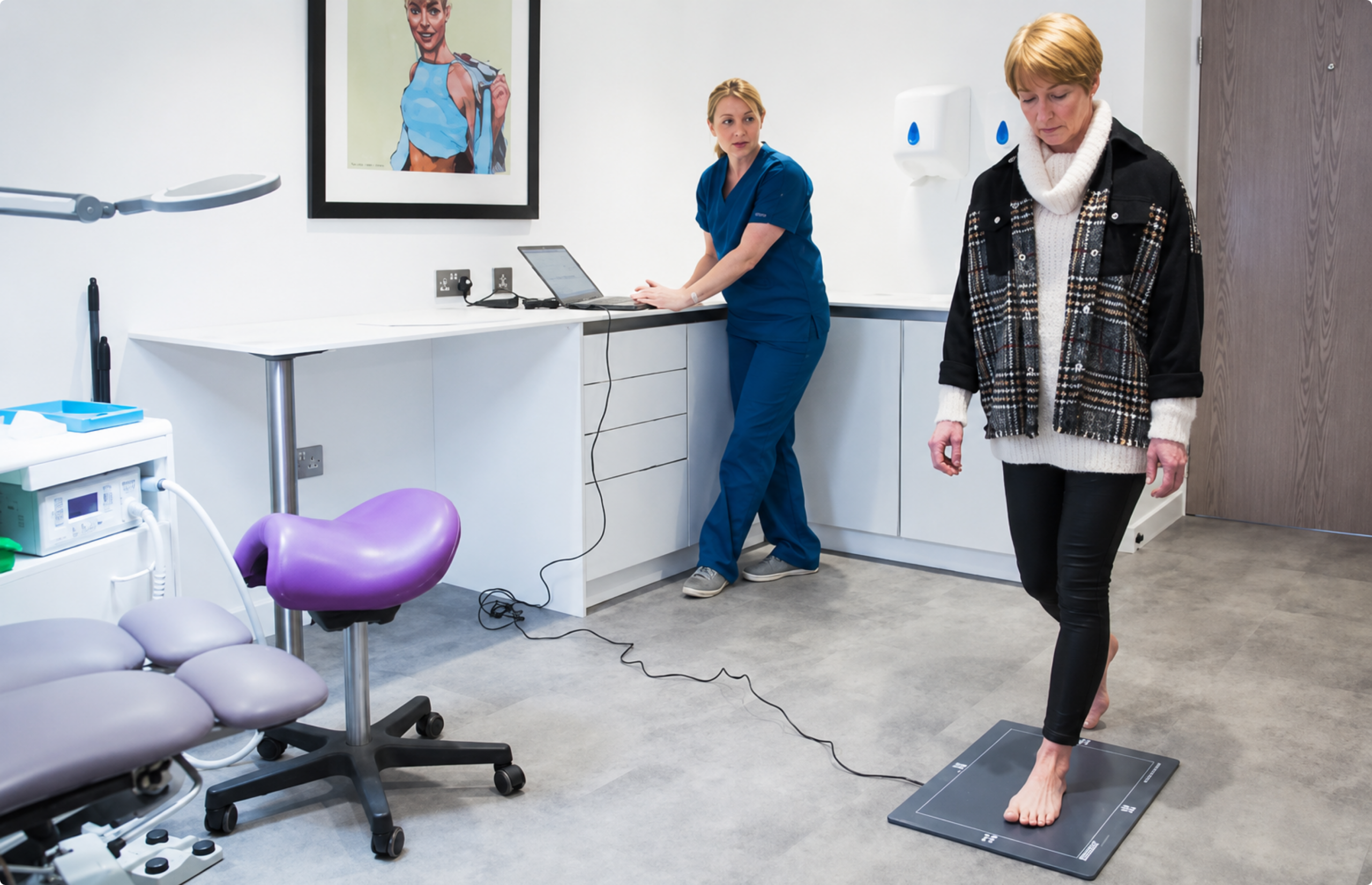
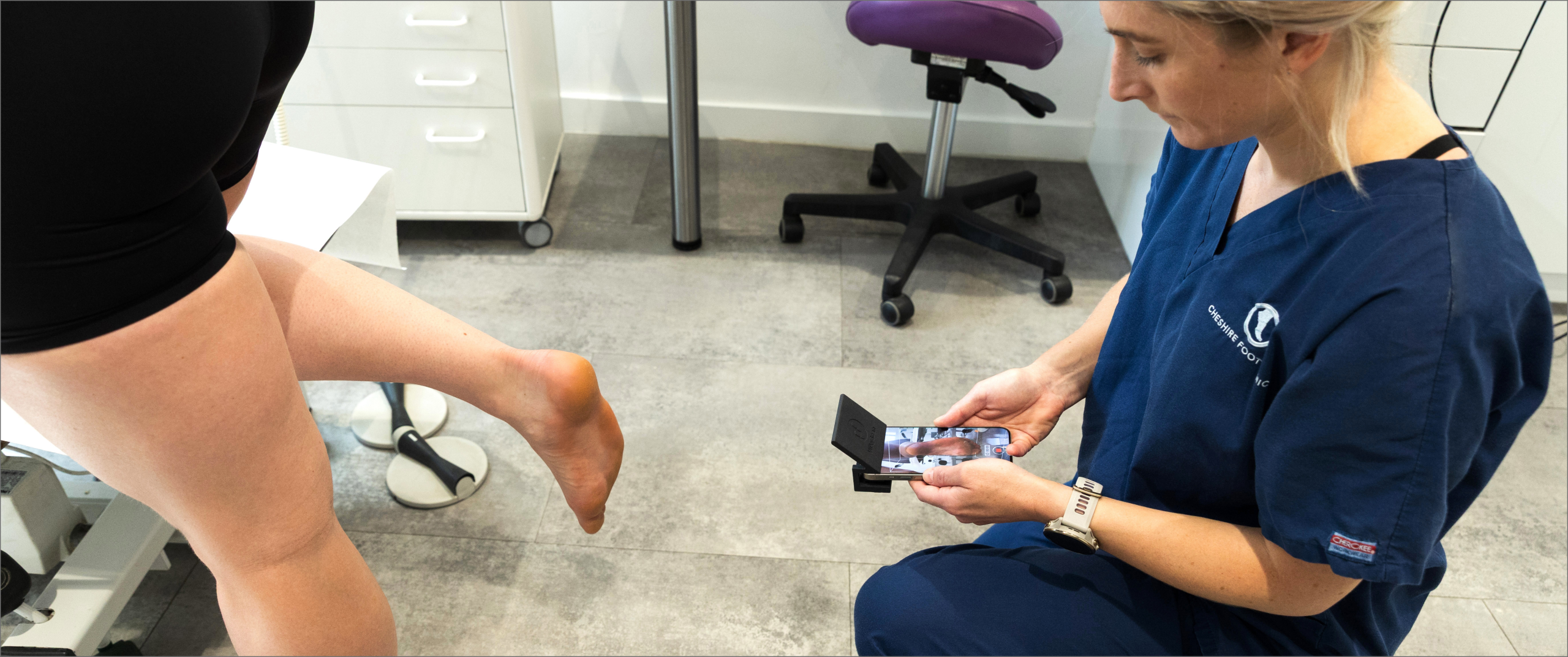
Our diagnostics may include skin, nail, and foot structure assessments and vascular and neurological checks to gauge blood flow and nerve health.
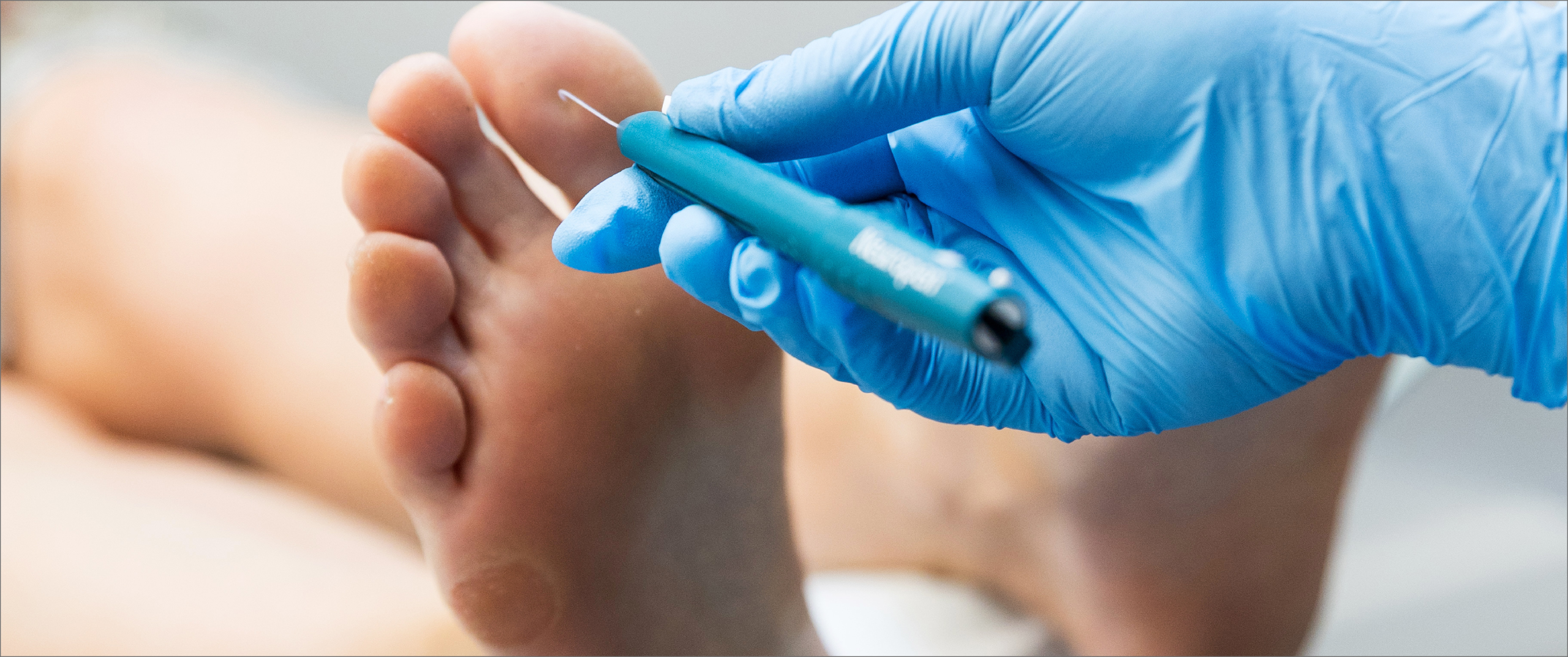
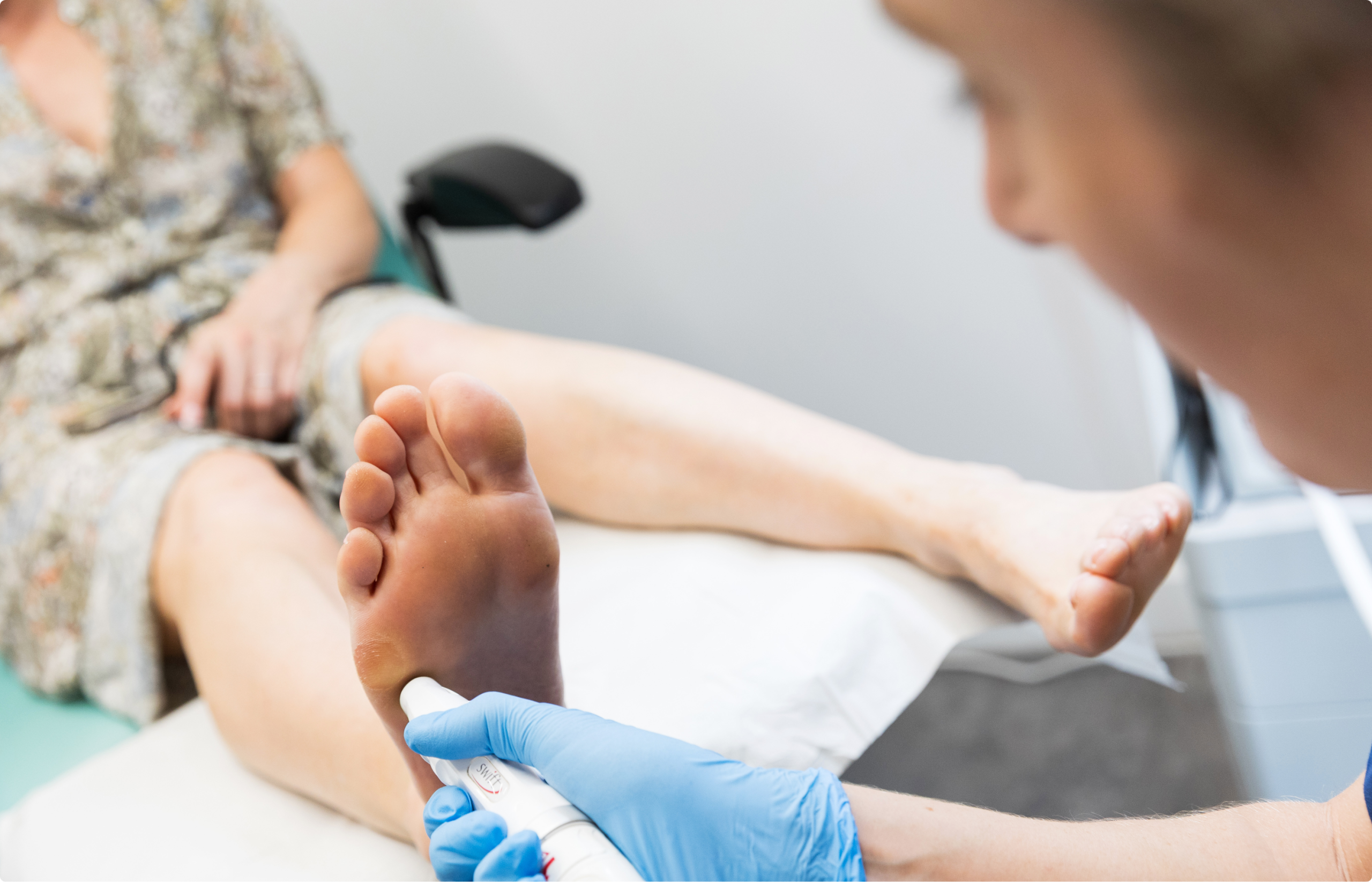
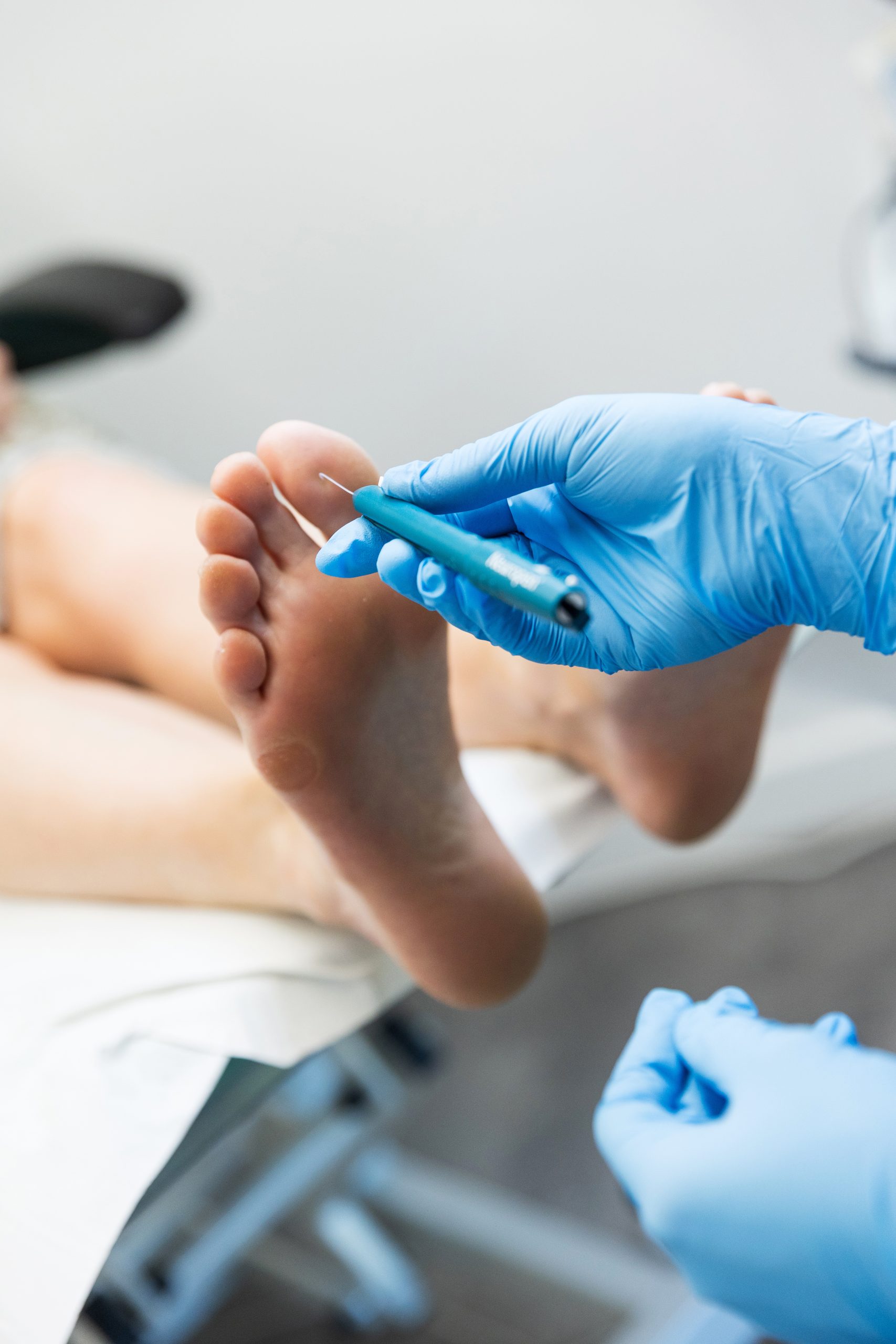
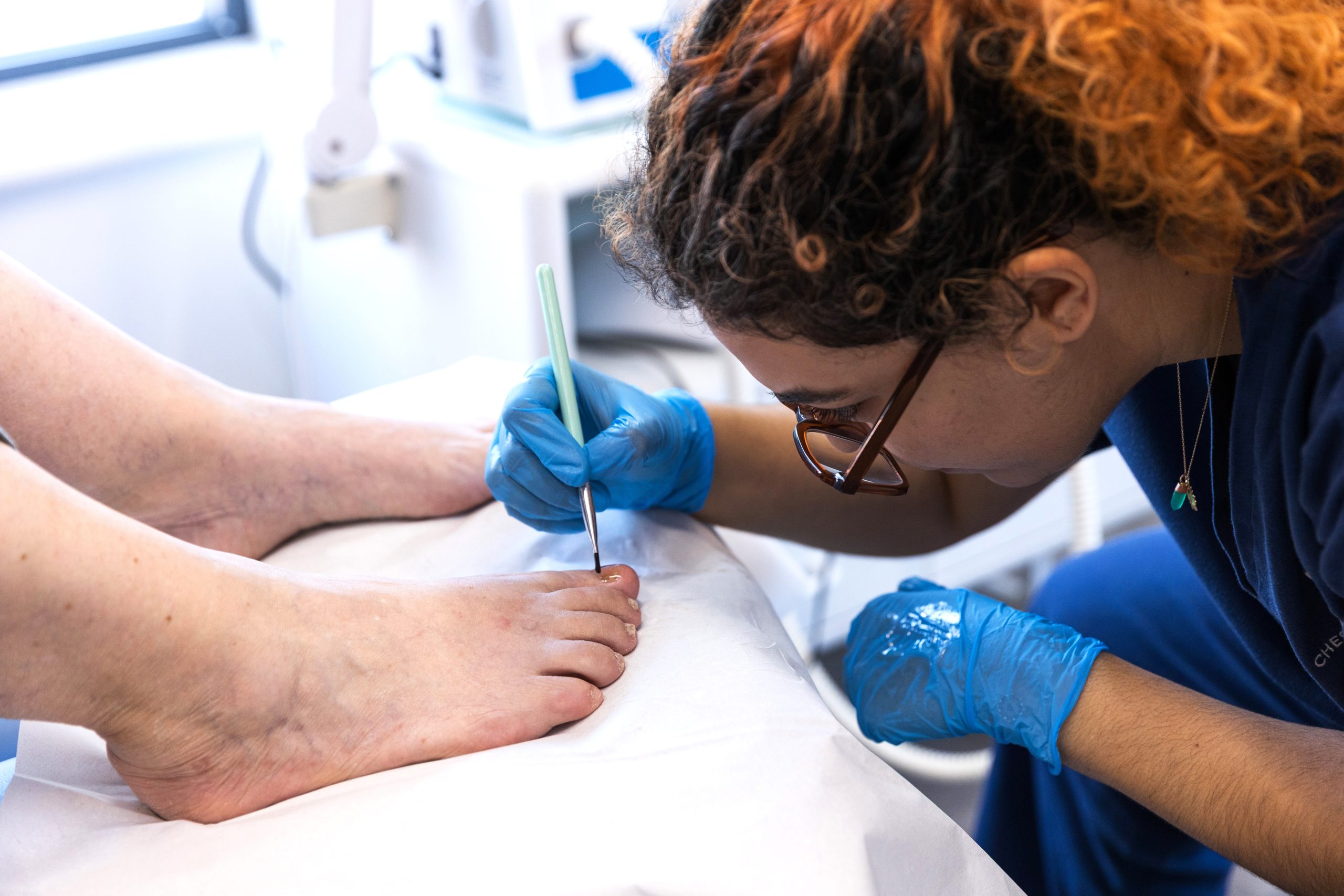
We’ll walk you through your treatment options, answer any questions, and begin addressing immediate concerns - for example, treating corns, calluses, or ingrown toenails on the same day when possible.
This written plan summarises our advice, treatment options, and any follow-up steps. Your podiatrist will then escort you back to the reception desk and arrange any further treatment appointments as required.
Our staff pride itself on its professional expertise and compassionate approach to ensuring your comfort and improving your health.
No, you can contact Cheshire Foot Clinic directly to arrange an appointment.
Please bring any relevant medical information, a list of medications, and any footwear or orthotics you would like your podiatrist to assess.
Where appropriate, treatment may be provided during your first appointment. Your podiatrist will explain the findings and discuss suitable treatment options with you.
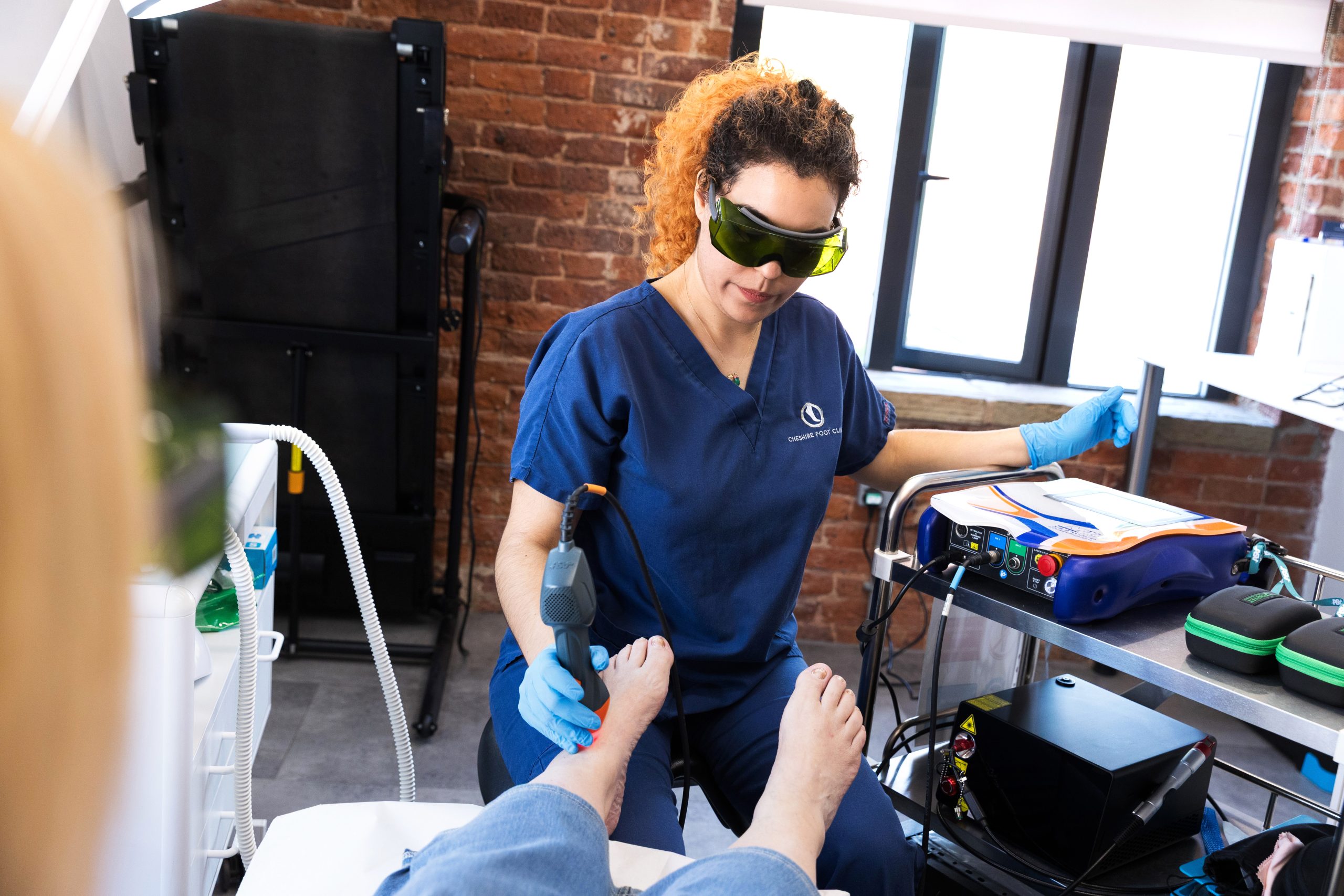
At Cheshire Foot Clinic, we use Class IV medical-grade lasers to deliver outstanding results safely. Our two state-of-the-art systems, the MLS Laser and the Remy Laser, target pain and inflammation by delivering specific wavelengths of light directly to the tissue.
The MLS laser delivers two wavelengths, 808nm and 905nm, in a synchronised manner. Because the stronger 905nm wavelength is pulsed, it can deliver therapeutic effects while helping to keep treatment comfortable.
During treatment, the laser is applied over the affected area in a controlled way. Most patients find the session comfortable, with no needles, no cutting and no downtime required afterwards.
Your podiatrist will explain the treatment plan, how many sessions may be recommended, and what changes you should monitor between appointments.
Laser therapy is generally well tolerated. Some patients may notice temporary warmth, mild sensitivity or a short-term change in symptoms after treatment.
Before starting, your podiatrist will check your medical history and explain whether laser therapy is suitable for your condition.
Some patients notice improvement quickly, while others require a course of treatments before symptoms begin to settle. This depends on the condition being treated, how long it has been present and your individual response.
Your podiatrist will review your progress and adjust the plan where needed.
Cheshire Foot Clinic uses advanced laser systems as part of a wider podiatry assessment and treatment plan. This means your symptoms are not treated in isolation.
Your podiatrist will assess the underlying cause of your pain, explain your options clearly and recommend the most appropriate care for your needs.
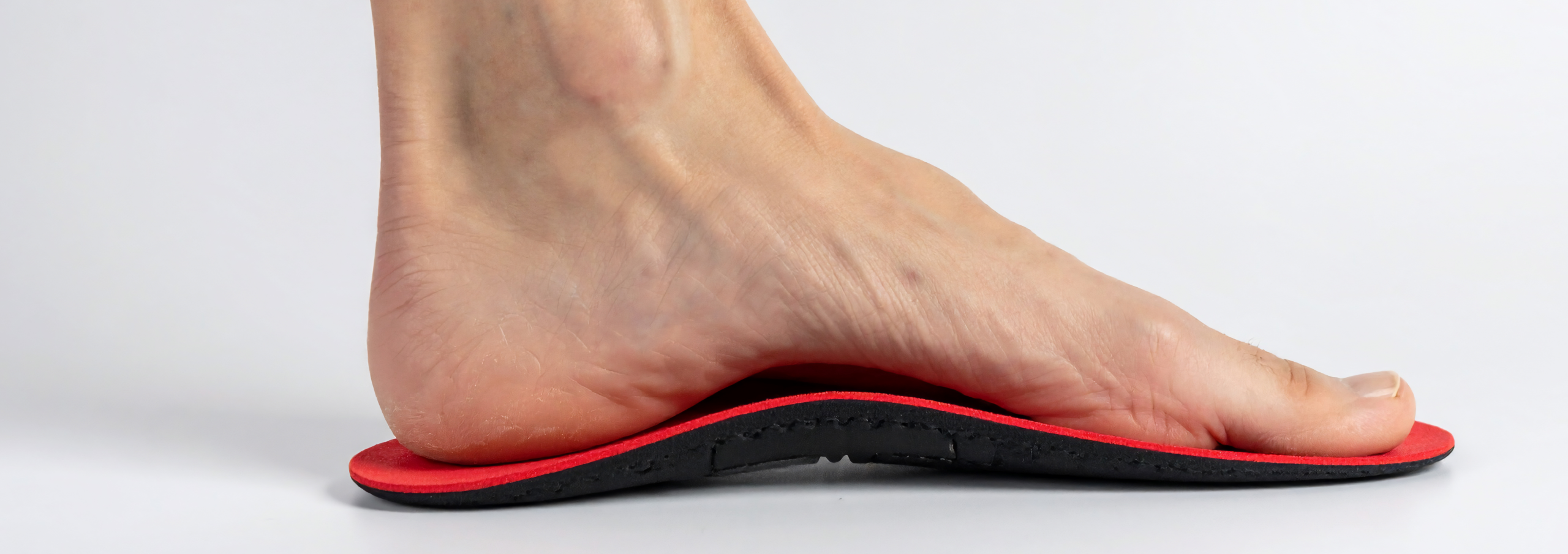
Our custom orthotics are designed to support the way you move, helping to improve comfort, reduce pressure and support better foot and lower-limb function.
Using advanced assessment and prescription technology, we can create orthotics tailored to your individual needs, whether you are managing pain, improving performance or supporting everyday mobility.
Among those that may contribute to the condition’s development are:
REPETITIVE
MOVEMENTS
FOOTWEAR
MUSCLES
WEIGHT
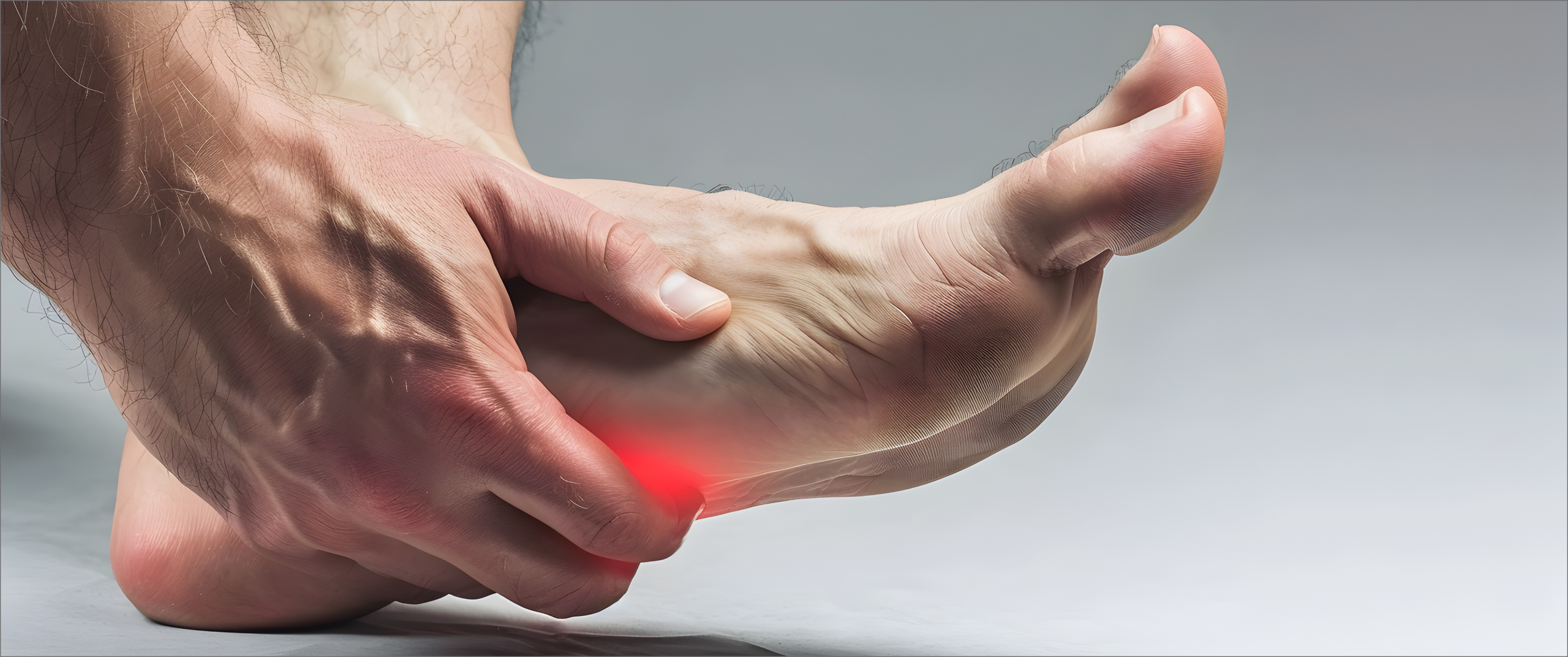
The plantar fascia is a strong band of tissue that runs along the sole of the foot, helping to support the arch and absorb pressure as you walk, stand or exercise. When this tissue becomes overloaded or irritated, it can lead to pain, stiffness and inflammation.
Symptoms are often worse first thing in the morning, after periods of rest, or after standing for long periods. Some people describe the pain as a stabbing sensation under the heel, while others notice tightness through the arch or discomfort that builds throughout the day.
At Cheshire Foot Clinic, we do not just look at the painful area in isolation. We assess how your foot functions, how pressure is distributed, your footwear, activity levels and any contributing factors that may be placing extra strain on the plantar fascia.
Early assessment and the right treatment plan can help reduce pain, improve mobility and prevent the condition from becoming long-term.
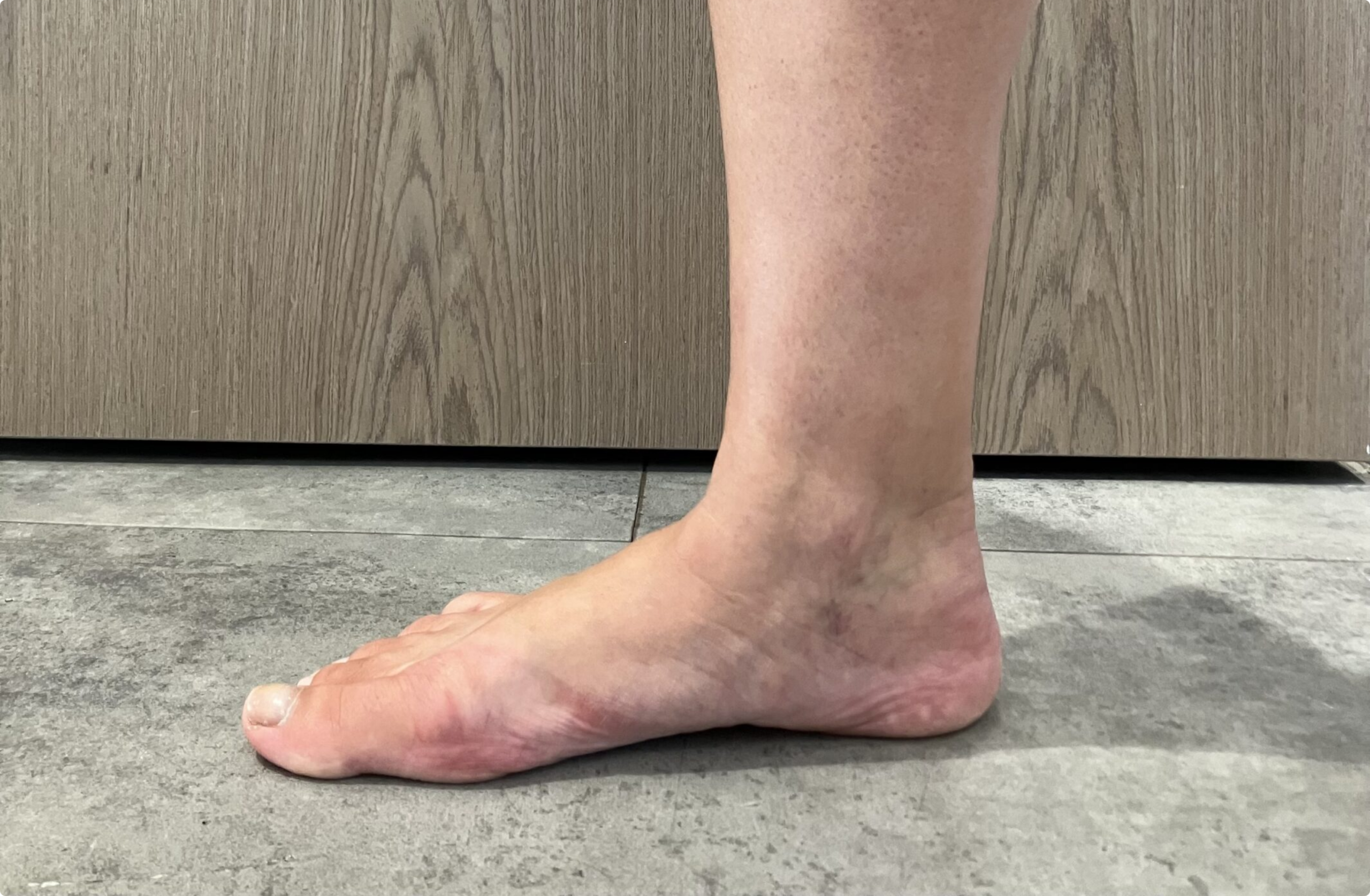
Plantar fasciitis is often linked to more than one factor. Foot posture, footwear, activity levels, calf tightness, training load and the way pressure moves through the foot can all contribute to heel and arch pain.
During your assessment, your podiatrist will examine your foot and lower-limb function, discuss your symptoms and identify the factors that may be placing strain on the plantar fascia.
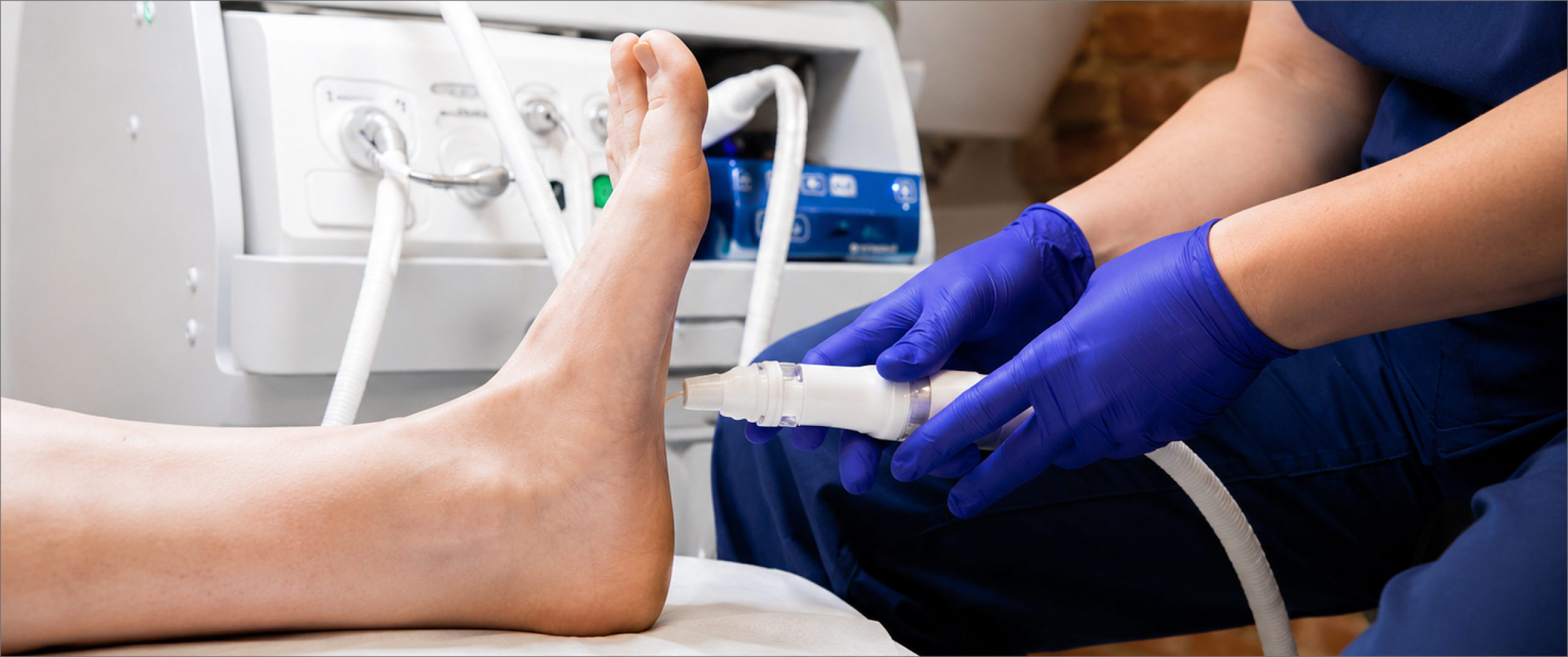
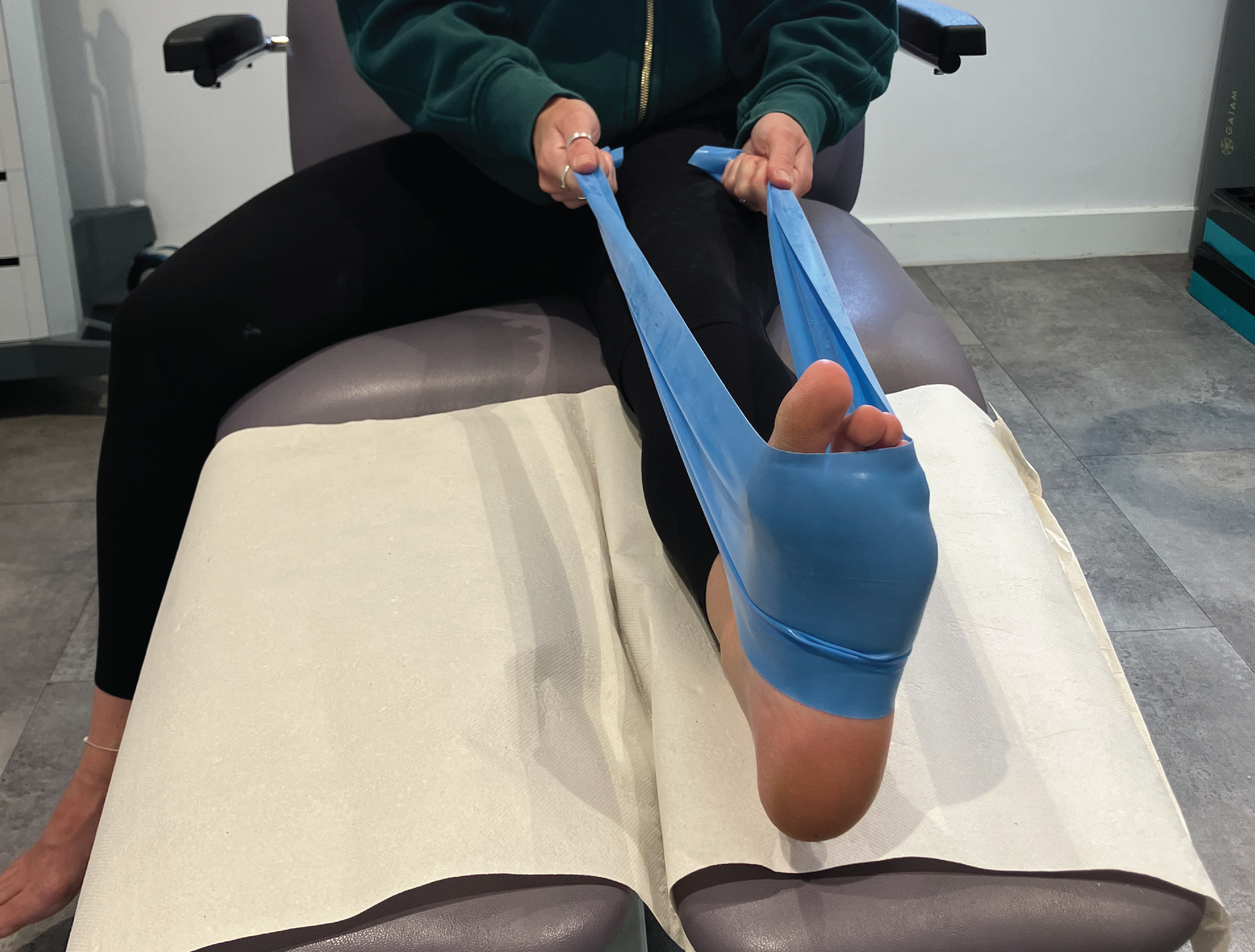
Where appropriate, your treatment plan may include stretching and strengthening exercises, footwear advice, custom orthotics, shockwave therapy, laser therapy, mobilisation or image-guided injection treatment.
The aim is not just to reduce pain, but to help prevent the problem from returning.