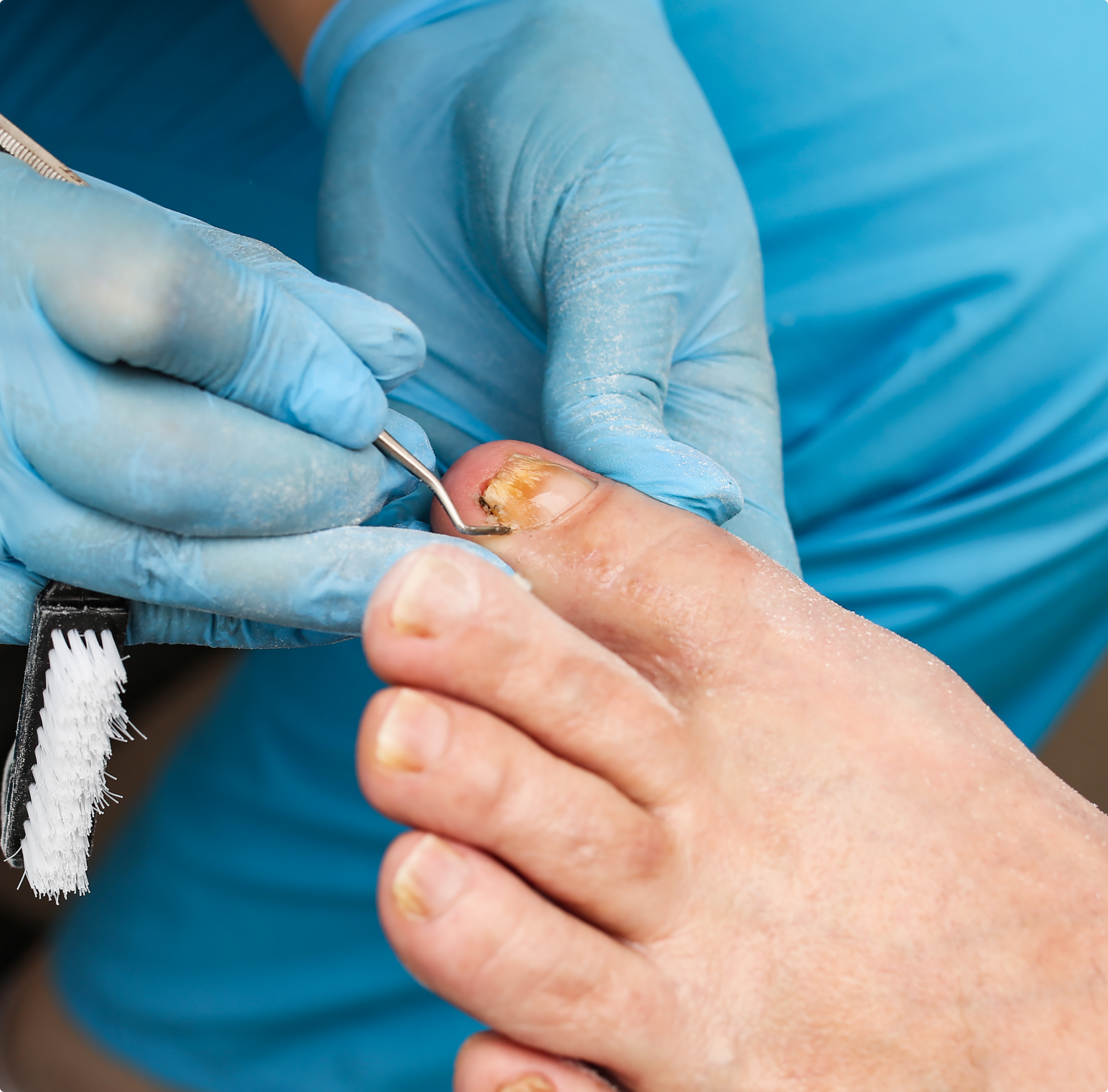
At Cheshire Foot Clinic in Knutsford, our experienced podiatrists provide effective treatment for painful ingrown toenails. Whether you’re on your feet all day, active in sport, or simply looking for relief from ongoing discomfort, we can help.
We specialise in diagnosing and treating ingrown toenails, helping to ease pain, reduce infection risk, and prevent recurrence. Our team also provides clear guidance on causes, symptoms, treatment options, and prevention, so you can make informed choices about your foot health.
This condition usually affects the big toe but can develop in any toenail. If you don’t do anything about it, an ingrown nail may become infected, causing additional pain and complications.
While an ingrown toenail may seem minor, it can lead to significant discomfort and potentially impact your ability to walk, run, or perform everyday activities comfortably.
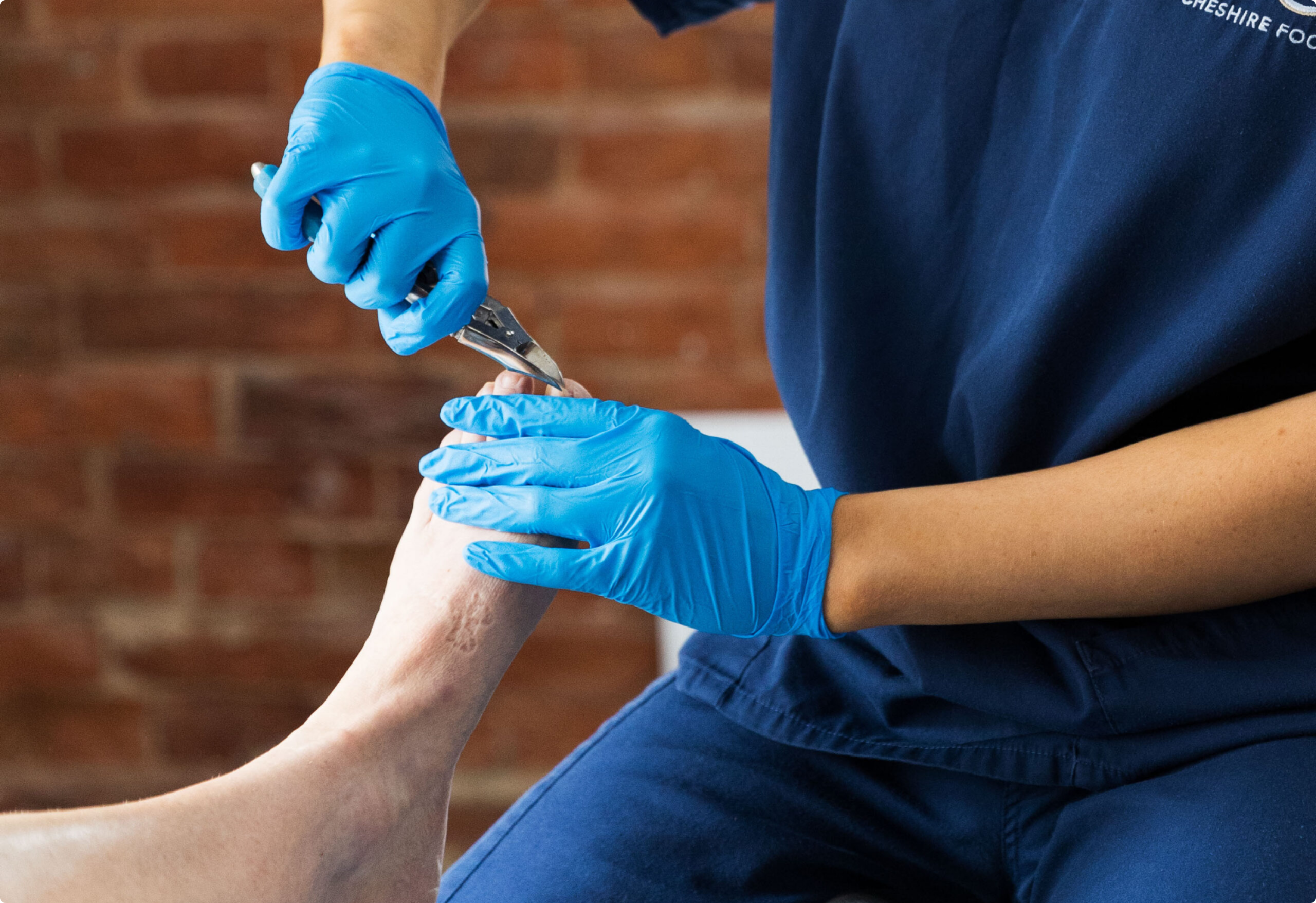
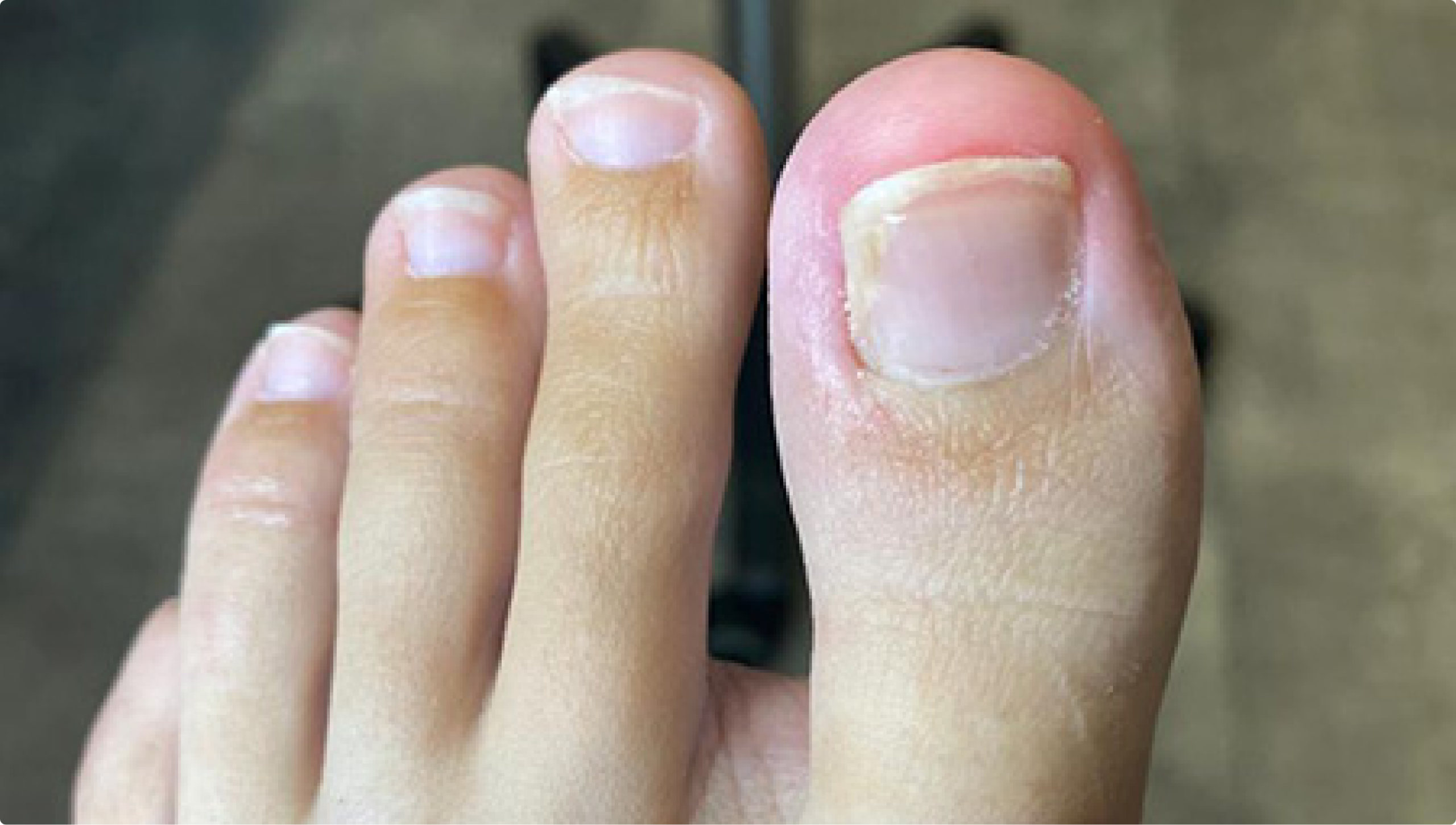
The sooner you recognise the following signs, the quicker you can seek help to prevent worsening symptoms:
- Tenderness or pain along the sides of the nail
- Swelling of the skin around the nail
- Redness bordering the affected area
- Hardening of the skin near the nail’s edges
- Pus or infection
Nail Trimming
Shoes
or Injury
Stress
Certain groups are more likely to experience this condition. You’re at a higher risk than your peers if you fall into one or more of these categories:
Athletes - Involvement in high-impact activities like running or football increases risk.
Teenagers and Young Adults - As feet tend to perspire more in this age group, softened nails and skin are likely.
Diabetics - People with diabetes or poor circulation are at higher risk because reduced nerve function can reduce awareness of symptoms.
Tight Shoe Wearers - If you wear tight winter shoes for prolonged periods, you may develop ingrown toenails.

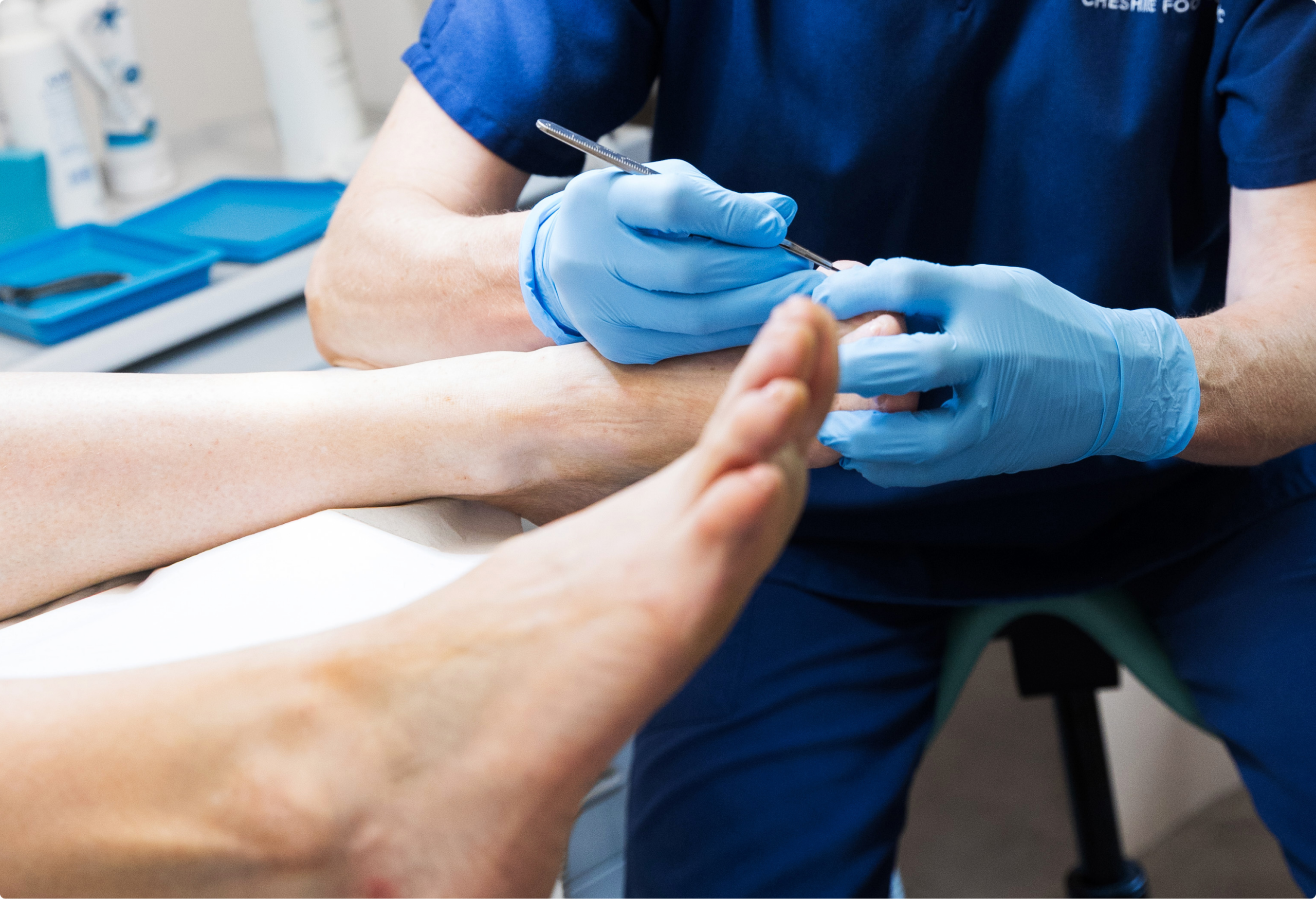
Our team will guide you through the recovery process with step-by-step instructions so that you can confidently return to regular activities.
As you recover, you can expect:
- Reduced pain and swelling within a few days
- To wear open-toed shoes for the first 24 hours
- Receive a supply of easy to use dressings and instructions
- Comprehensive follow-up care to ensure optimal healing and prevent recurrence
Whether you’re dealing with your first ingrown toenail or hoping to avoid future occurrences, we recommend the following to keep your feet healthy:
Trim Your Nails Properly – Cut your nails straight across, avoiding rounded edges or cutting them too short.
Choose Comfortable Footwear – Opt for shoes with a wide toe box that gives your toes room to move.
Maintain Foot Hygiene – Keep your feet clean and dry, especially if you’re active.
Monitor Footwear Pressure – During high-impact sports like running and hiking, limit the pressure you exert on your feet whenever possible.
See Our Specialists – Come to Cheshire Foot Clinic if you notice signs of an ingrown toenail or need expert